Necropolitics in the Amazon threatens Indigenous peoples and ecosystems
June 14, 2021
During these pandemic times, everything seems to indicate that the socio-environmental crisis is getting worse in Latin America, especially in the Amazon.
During these pandemic times, everything seems to indicate that the socio-environmental crisis is getting worse in Latin America, especially in the Amazon.
On January 17 nurse Monica Calazans became the first person vaccinated against COVID-19 in Brazil. The procedure took place during a much-awaited ceremony in São Paulo. However, after months of denial and heel-dragging from the government of President Jair Bolsonaro, Brazil’s late entry into the global race for vaccines could prove to be fatal for thousands of Brazilians.
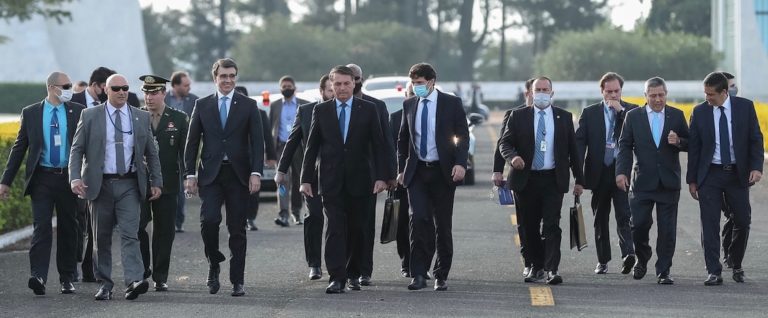
Bolsonaro has isolated himself internationally. With approval ratings in free fall, the Brazilian president has increasingly moved to the far right.
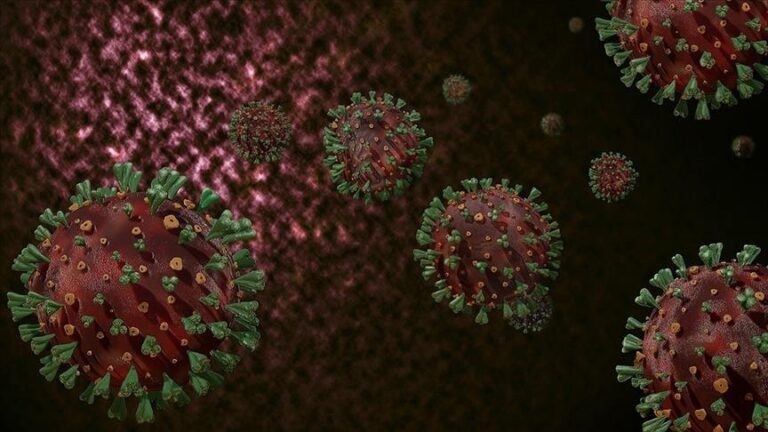
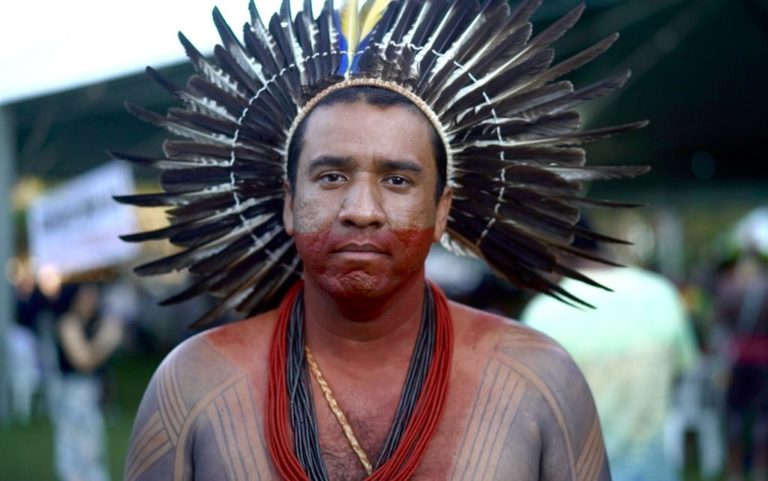
After six days of fighting for his life in an intensive care unit in a Amazonas state hospital, a 15-year-old Yanomami teenage boy died in April 9 from complications caused by the coronavirus. The boy’s death sounded the alarm for Brazil’s Indigenous peoples who now face the fear of the virus alongside the stress of increasing criminal activities and government policies.
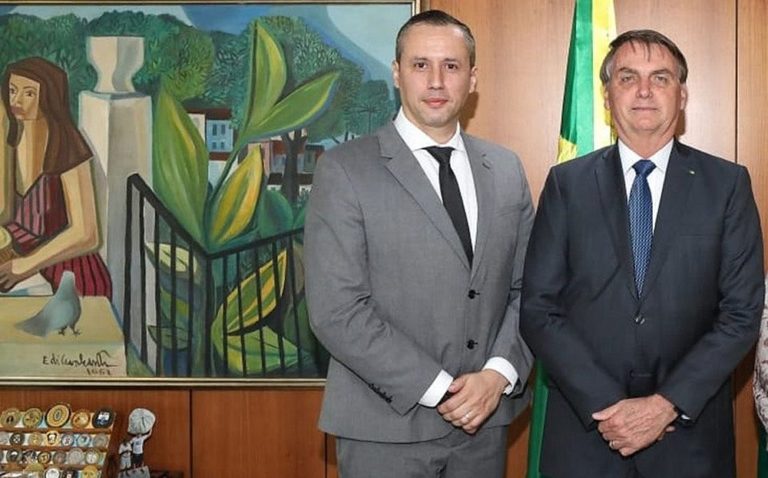
Just a few months into the year and the Bolsonaro government is up to it neck in scandals that have stymied its ambitious plans to reshape Brazil’s culture and impose a new conservative ideology based on nationalism, religious fundamentalism and militarism.
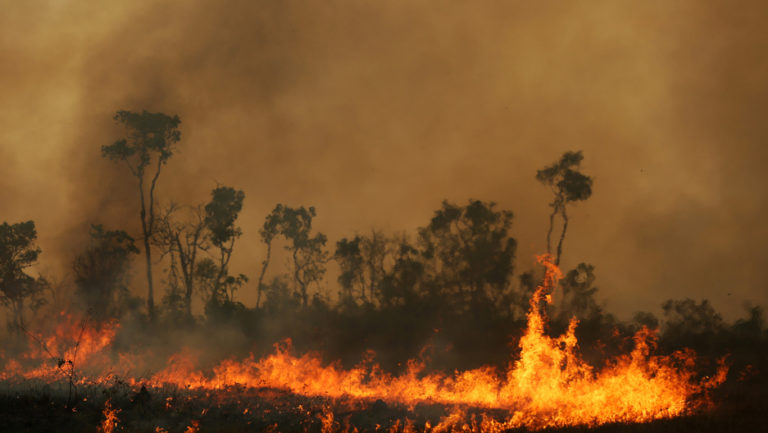
The fires that started August 16 are still raging in the Amazonian jungle. Although they no longer make international headlines, they have destroyed more than 12 million hectares.
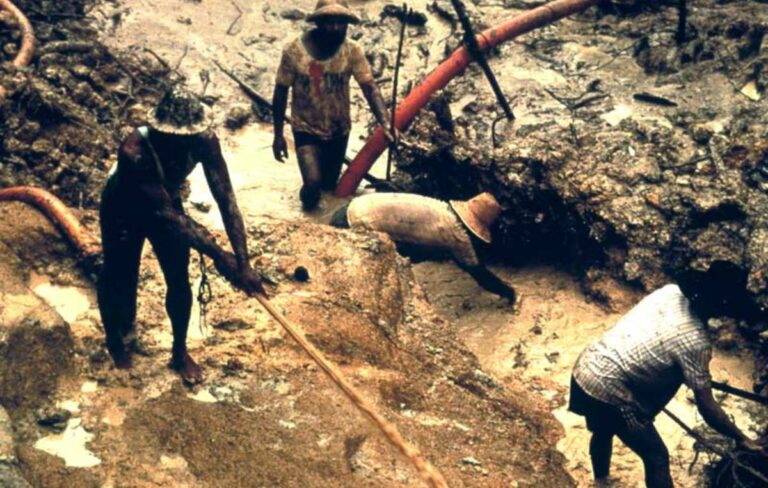
Brazilian President Jair Bolsonaro’s willingness to open Indigenous reserves to mining, agriculture and infrastructure has triggered a rise in invasions of indigenous lands by armed gangs of land grabbers, causing constant fear in indigenous communities.
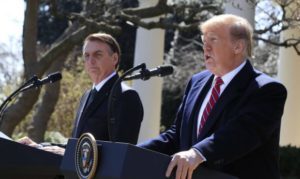
In March, Brazilian President Jair Bolsonaro visited U.S President Donald Trump to discuss deepening relations between their countries. In their joint statement, the two presidents agreed to “catalyze investment in the Amazon region”.
On March 7th—International Women’s Day—dozens of Brazilian women occupied a research site of the U.S.-based agricultural biotechnology giant Monsanto in the state of São Paulo, Brazil, destroying the greenhouse and experimental plots of genetically-modified (GM) corn. Participants, members of the international farmers’ organization La Vía Campesina, stated in a note that the act was to protest the Brazilian government’s decision in February to legalize Monsanto’s GM Guardian® corn, which came just weeks after the French government prohibited the corn due to environment and human health risks.