CAFTA’s Decade of Empty Promises Haunts the TPP
August 5, 2015
Ten years ago, after a flurry of backroom deal-making, Congress passed the Central America Free Trade Agreement (CAFTA). In the dead of night. By a single vote.
Ten years ago, after a flurry of backroom deal-making, Congress passed the Central America Free Trade Agreement (CAFTA). In the dead of night. By a single vote.
We are a group of social scientists with decades of research experience with the very populations targeted in Biden’s plan. We are painfully aware that Central America’s rural and urban poor need support. But Biden’s package is guaranteed to deepen—not alleviate—the problems faced by Central America’s poor majority.
Less than a year after the crisis of unaccompanied minors arriving in the United States, Washington has come up with its policy response to the children’s plight. Unfortunately, while purporting to address the root causes of migration, it mirrors — and in many ways intensifies — the causes that forced so many to flee.
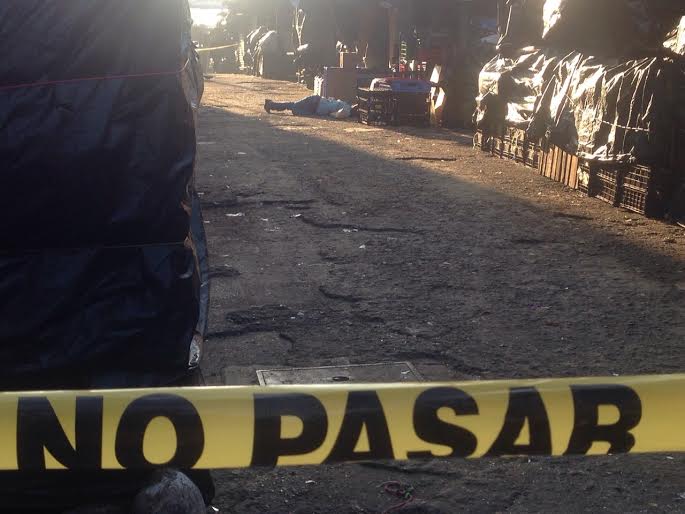
During the last three months of 2014, reports of homicides in El Salvador reached alarming numbers. The year ended with a 57% increase in the murder rate, and the first three months of 2015 have also shown rising numbers.
Clara Wood, survivor of the DEA-Honduran Drug War Massacre in Ahuas that took the life of her 14-year old son, declared that she has been pressured to alter her account of events by members of the U.S. government.
Adrián Rodríguez Garcia and Wilson Castro, who provided food and other aid to migrants in Mexico State were shot to death in their pick-up truck on Nov. 23. A criminal gang for its assaults on migrants in the town of Tequixquiac, north of Mexico City, fired a round of bullets into their truck.
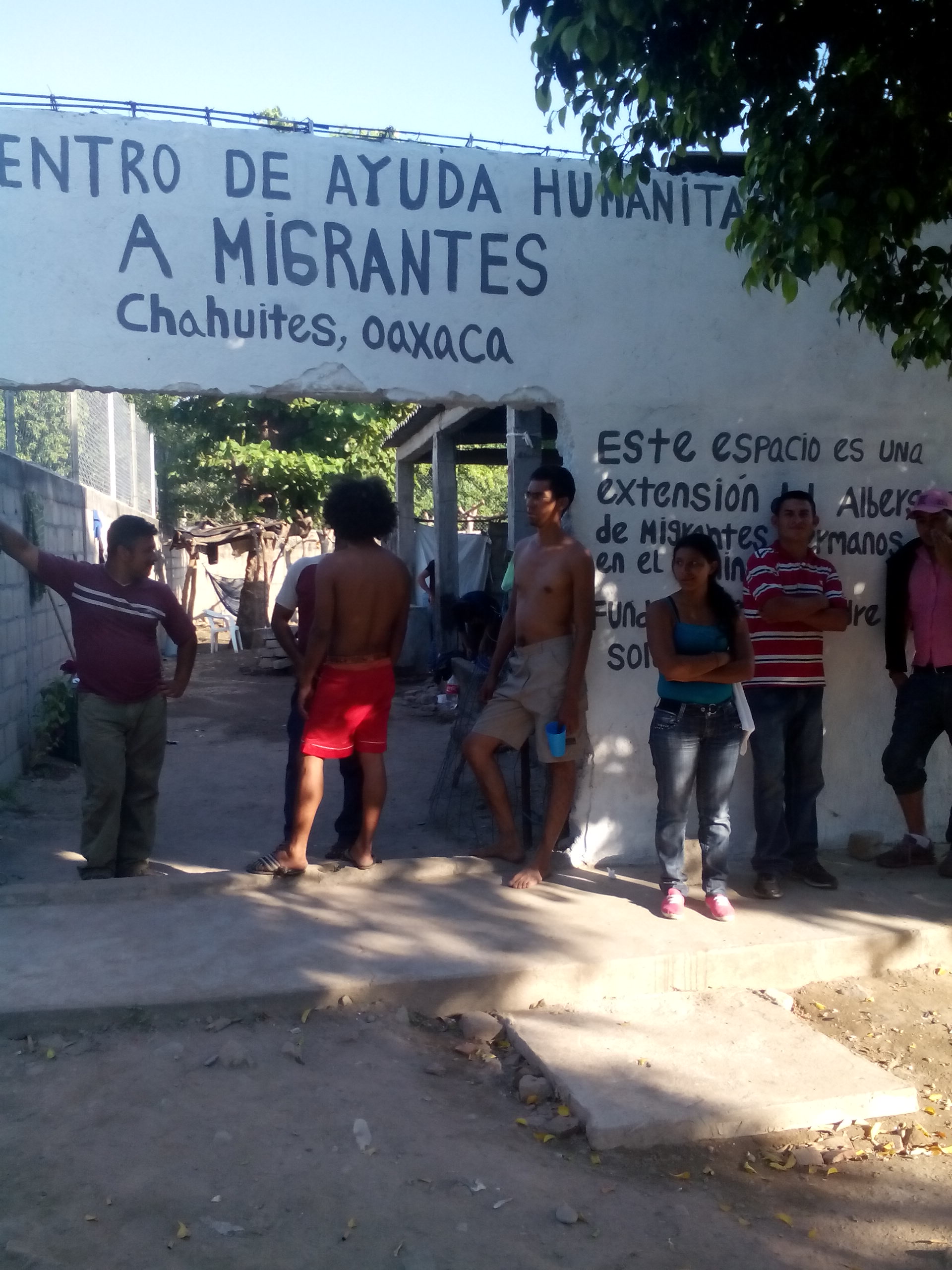
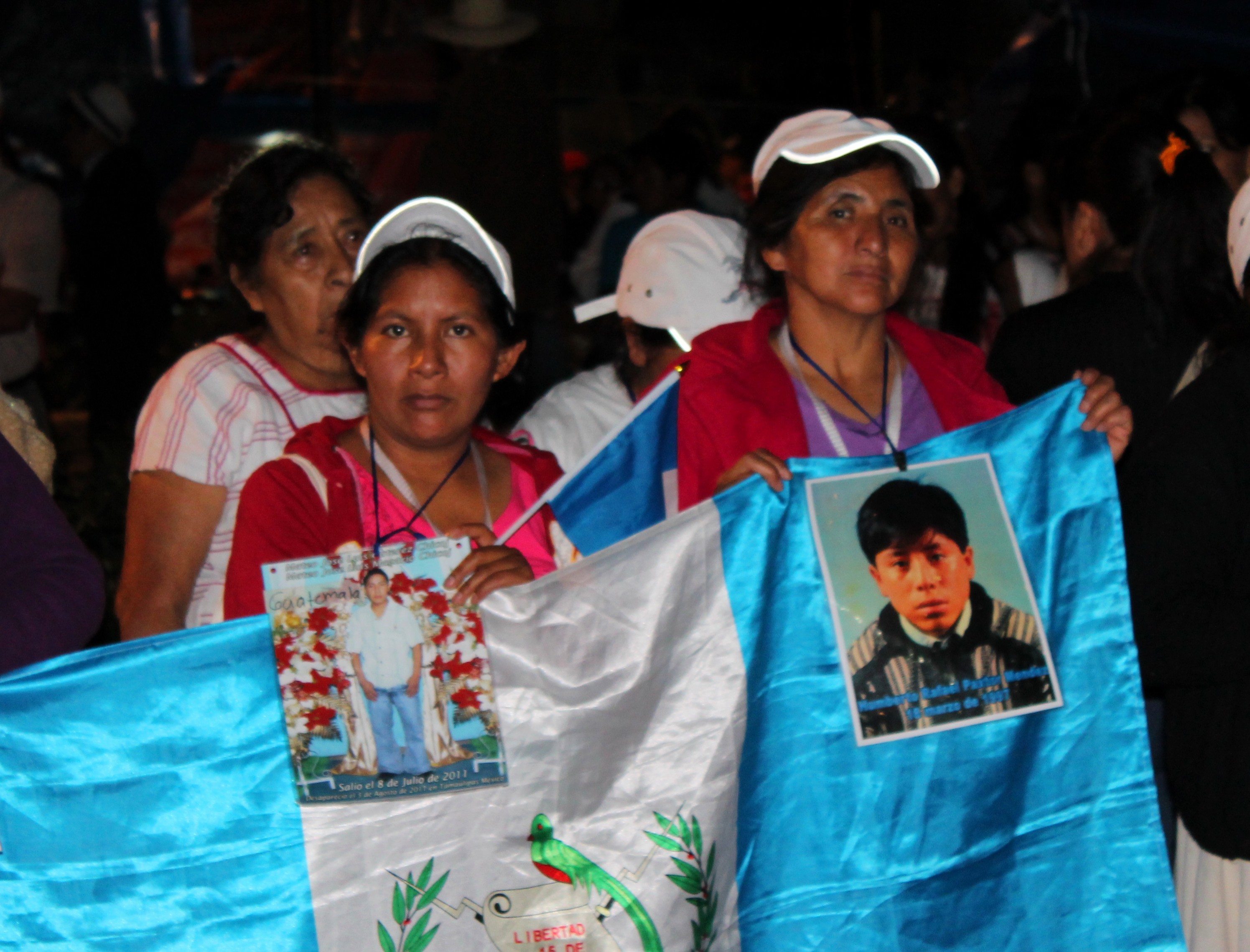
The Mesoamerican Migrant Movement estimates that there are 70,000 to 150,000 disappeared migrants in Mexico. Echoing the cries of “Because they were taken away alive, we want them back alive!” resonating across Mexico with the case of the 43 disappeared students of Ayotzinapa, the mothers chanted in downtown Oaxaca: “Because they came here alive, we want them back alive!”
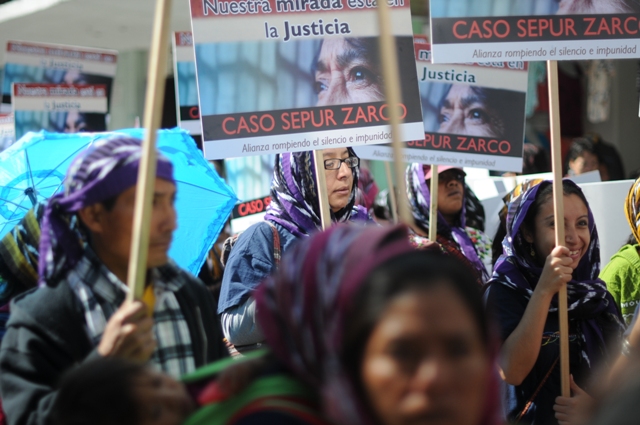
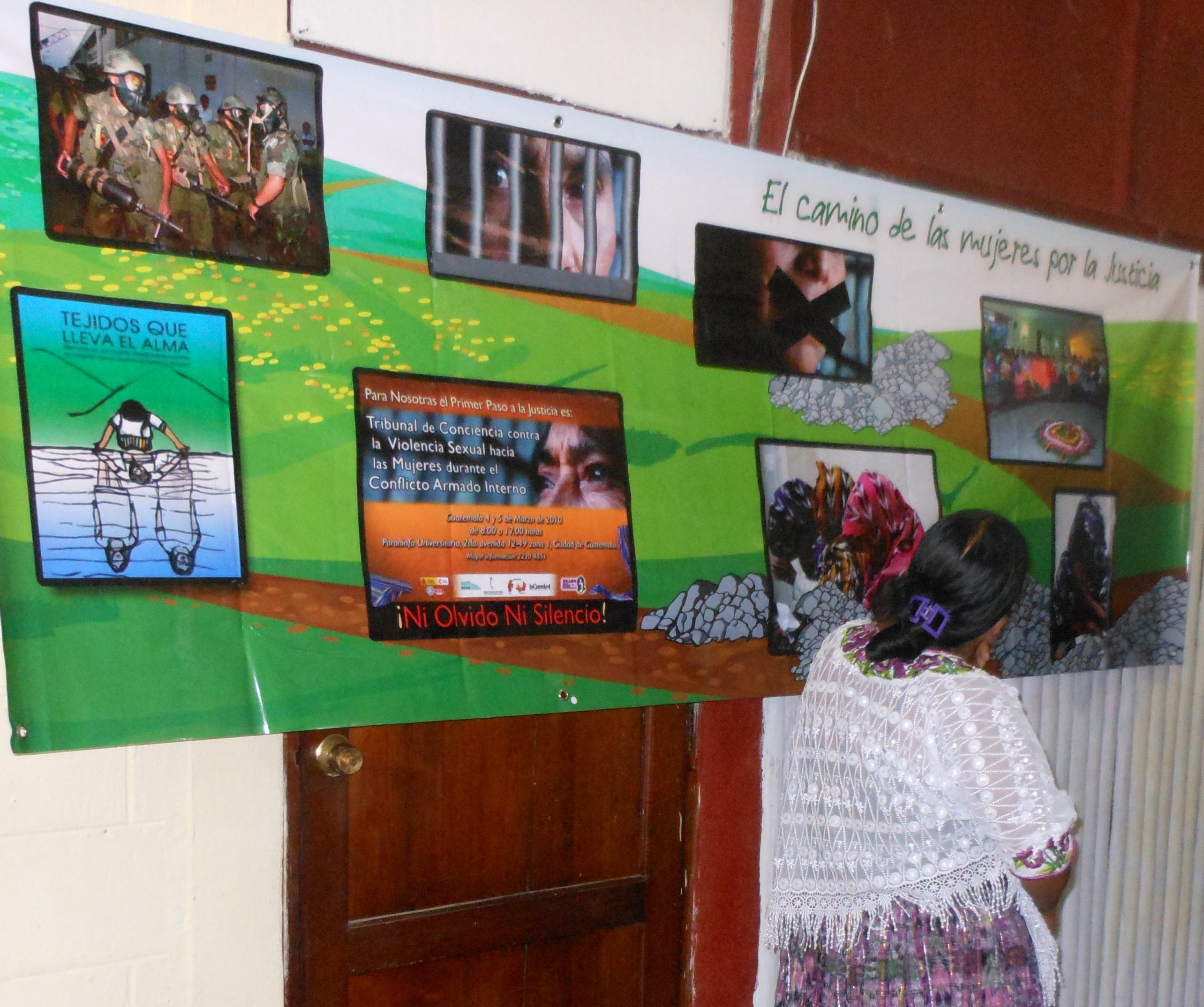
We, plaintiffs and supporters of the Sepur Zarco case for justice for sexual slavery, take up the political cause that gave rise to this commemoration. Today, more than ever, we women remember, we reclaim our history and we affirm that we will not turn back. Today more than ever: No to Oblivion. No to Silence. No to Impunity.
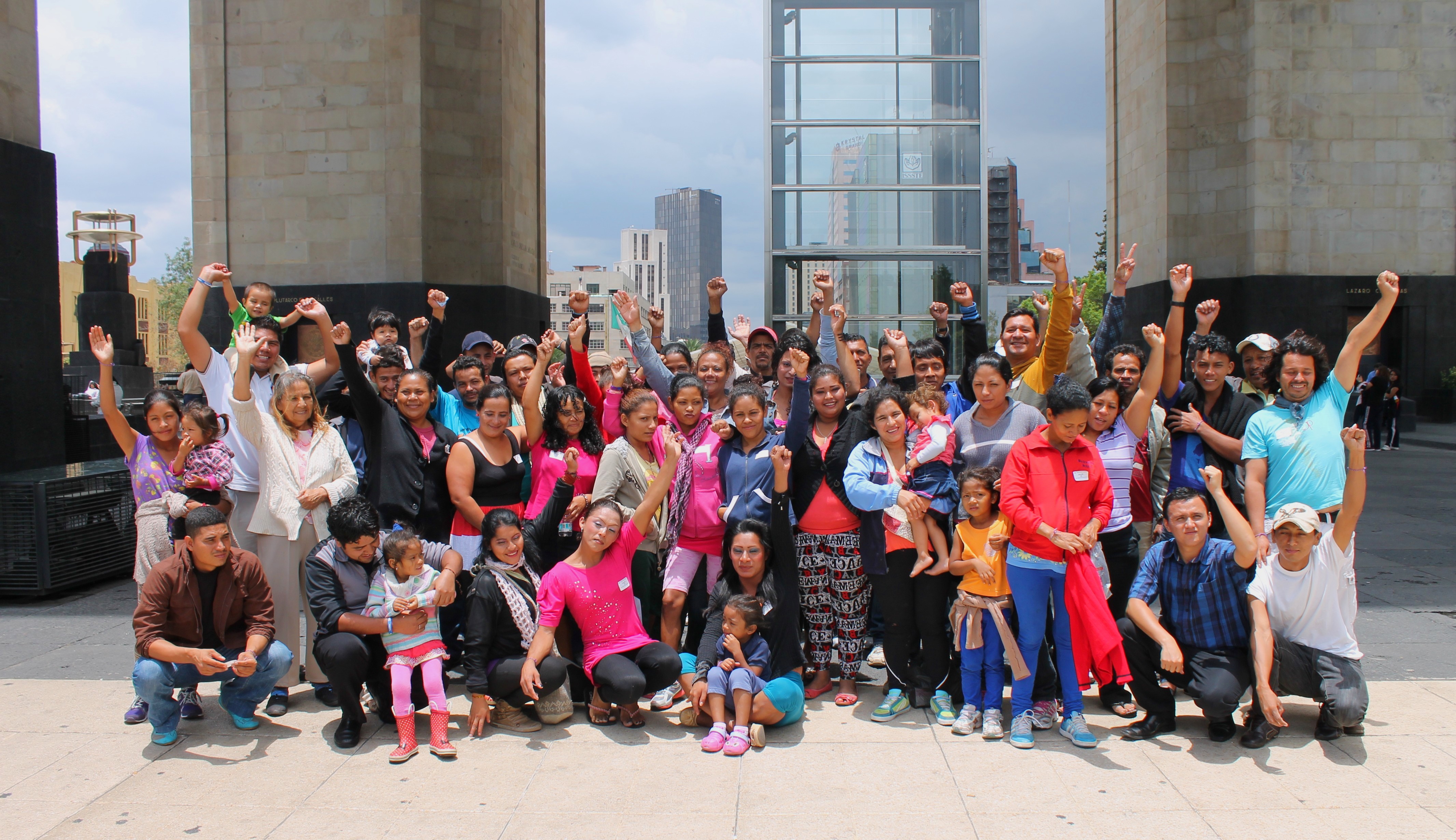
Paola Quiñones, a Honduran migrant, has become an advocate for Central American migrants in Mexico who suffer brutal conditions in their passage through the country. She is part of a group of migrants in Mexico who have taken the struggle for “Free Transit” and dignity for migrants into their own hands, based on lived experience.
On Oct. 14, 2014 Guatemala’s Court for High-Risk Crimes ruled to open trial against two members of the Army for sexual slavery and domestic slavery against q’eqchís women in the military outpost of Sepur Zarco and other serious crimes perpetrated in the framework of the government countreinsurgency policies during the armed conflict.