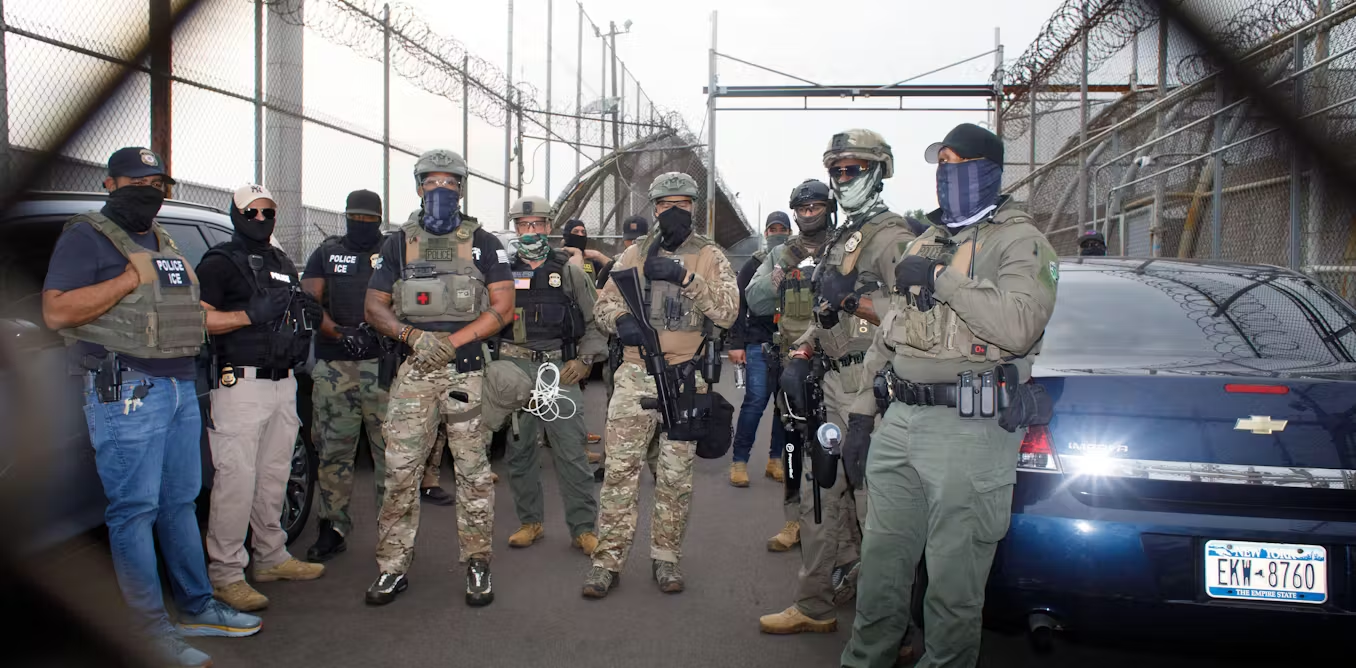

The death of Renee Macklin Good, the 37-year-old mother of three who was shot and killed in Minneapolis by U.S. Immigration and Customs Enforcement (ICE) officer Jonathan Ross, has brought thousands into the streets across cities in the United States to protest the Trump administration’s lethal immigration enforcement tactics.
Local authorities have file lawsuits and local and national immigrant rights organizations have issued calls to action. United We Dream stated: “Billions poured into immigration raids for the sake of ripping apart communities in cities like Los Angeles, Chicago and Minneapolis does nothing but lead to irreparable damage, violence and death. We demand an immediate end to this cruelty and for elected leaders at every level to speak out in defense of immigrant communities and our shared safety,”
Good’s tragic murder happened a day after 2,000 federal agents were deployed to Minnesota following President Donald Trump’s repeated attacks on the North Star state’s Somali community. Good had been protesting ICE operations only a few blocks from her home in Central Minneapolis.
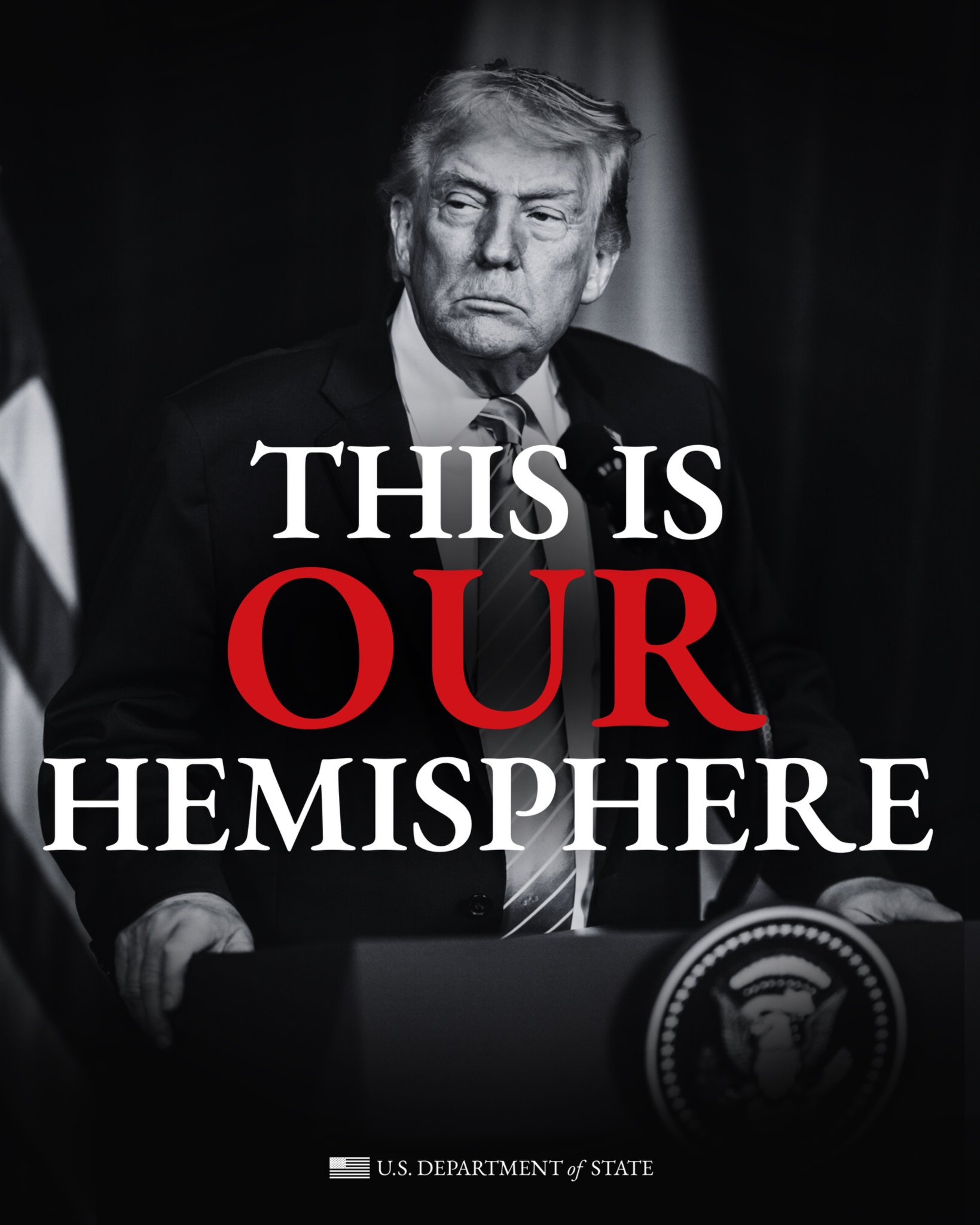
In the aftermath of this horrific use of lethal force, President Trump unsurprisingly stated in a social media post that Good “violently, willfully, and viciously ran over the ICE Officer, who seems to have shot her in self-defense,” while also threatening to invoke the Insurrection Act. U.S. Department of Homeland Security Secretary (DHS) Kristi Noem called Good a “domestic terrorist” and Vice President J.D. Vance claimed that Ross, the ICE officer responsible for Good’s death, would have “absolute immunity.”
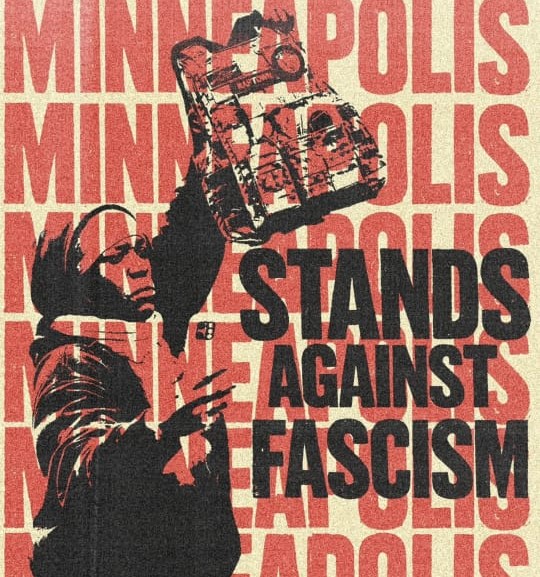
Minnesota Democratic leaders, including Minneapolis Mayor Jacob Frey and Governor Tim Walz, pushed back against the administration’s statements. Yet Good is at least the fifth death tied to immigration enforcement activity since President Trump took office and the sixteenth shooting tied to a US immigration agent. Only hours after Good’s death, Luis David Nico Moncada and Yorlenys Betzabeth Zambrano-Contreras were shot by ICE and hospitalized in Portland.
And that’s not counting the 32 people killed in ICE custody in 2025 from overcrowding, unsanitary conditions, food and health care access, making 2025 one of the deadliest for the agency. There is little expectation that in 2026 the numbers will go down. The One Big Beautiful Bill Act gave ICE $45 billion on top of annual appropriations to spend on immigration detention through Fiscal Year 2029. The American Immigration Council estimates that with current levels of funding, ICE could expand the immigration detention system by some 135,000 beds—rivaling the entire federal prison system.
Crunch Time
According to the Department of Homeland Security (DHS), federal immigration agents have carried out roughly 2,500 arrests in the Minneapolis area since the start of “Operation Metro Surge.” In the aftermath of Good’s death, reinforcements have arrived in Minneapolis from New Orleans’ Operation “Catahoula Crunch”.
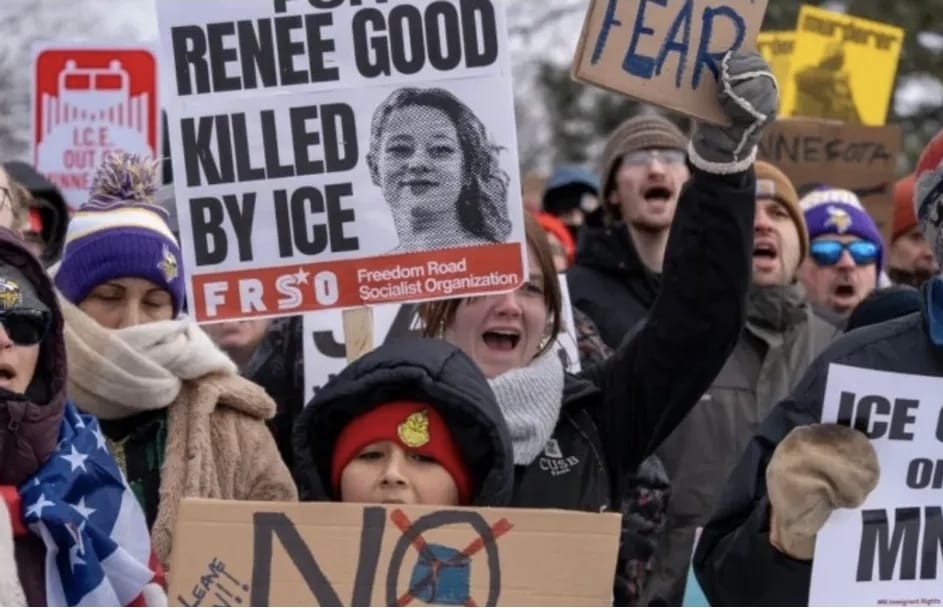
Citizens, as Good’s murder shows, are not exempt from being caught up in ICE sweeps. In a recent report by Pro Publica, roughly 170 U.S. citizens have “been dragged, tackled, beaten, tased and shot by immigration agents.” But this is not an exact number. It’s an estimate that highlights a reality far different from Justice Brett Kavanaugh’s blithe assertion that citizens shouldn’t be concerned about enforcement activity. When he voted to legalize racial profiling, he wrote in his opinion that even if they were subjected to “brief investigative stops”, lawful residents would be “promptly” released.
Among those most affected are children. Families have been ripped apart as Trump’s immigration enforcement apparatus rushes to deport parents and children have witnessed traumatizing acts of violence. Twenty U.S.-born children have been detained, two of them undergoing cancer treatment.
In this anti-immigrant crusade, one thing is clear: no one is safe .
The Weight of Words
The Trump administration continues to justify increased enforcement, violence, and impunity against immigrant communities with Orwellian dexterity. Perhaps that’s why it’s important to remember that Good was also a writer who won a prestigious award for a poem published in 2020.
“This is a galvanizing moment by Americans from every corner of the nation to reclaim our constitutional rights, restore trust in law enforcement and reform a terribly broken and outdated immigration system,” read a statement by Vanessa Cardenas, Executive Director of America’s Voice.
Throughout history, writers have roused movements, dreamt of fantastical possibilities for humanity, and directly challenged authoritarian regimes. The list of names of all who have faced punishment, exile, and death from authoritarian governments for expanding reader’s horizons with the written word is long and includes authors ranging from Russia’s Boris Pasternak to Nicaragua’s Gioconda Belli to Spain’s Federico Garcia Lorca.
In the United States, rightwing zealots are banning books, and publishers are coming under fire by the Trump administration. With A.I. and other digital distractions undermining our ability to creatively articulate what we see and experience, it’s no surprise that we’ve started to live in what some deem a Postliterate society, where only 16% of adults in 2023 read for pleasure in the United States on a given day.
However, much of this should feel as if done by design. “One ought to recognize that the present political chaos is connected with the decay of language, and that one can probably bring about some improvement by starting at the verbal end,” as George Orwell wrote in his book Orwell on Truth.
In our current war on truth, the utility of words and the power of those who wield them through verse, prose, or song is more important than ever. As protests outside federal detention centers and against enforcement tactics in Los Angeles, Portland, Minneapolis, and New Orleans continue, the murder of a poet should move all of us to action, to stop attacks by ICE that go far beyond the brutal assassination that occurred on an icy Minneapolis road. Good’s death captured the attention of the nation and the world because her life was about making truth irresistible and actionable through poetry, in the face of those who know they need to censor words to thwart radical change.
A.M. Castro is a Salvadoran-American writer. You can find some of her work here. Her forthcoming book Monsters Can Also Cry is due on Gnashing Teeth Publishing in early 2027. Her novella Feet First was a finalist for the Stephen Graham Jones Novella Competition.