
The World in Focus | Analysis column
President Donald Trump has informed the public of historic trade agreements reached with Argentina, El Salvador, Ecuador, and Guatemala, which allow “unprecedented access to the markets of some of the United States’ most important strategic partners in Central and South America.” Guatemala and El Salvador already had trade agreements with the United States, so in both cases this would be a renegotiation. The so-called “Framework for Reciprocal Trade and Investment” Argentina Trade Agreement is the only one of the three that includes investment, even in its official name.
On May 13, the White House issued a statement in which Trump reports that these agreements consolidate “commitments to economic and national security.” According to the statement, the agreements will help U.S. farmers, ranchers, fisherfolk, small businesses, and manufacturers increase U.S. exports and expand business opportunities with the four countries. The president does not say how these agreements will help the four Latin American countries. The negotiations were carried out on the sly, behind the backs of the public and without debate o inclusion of impacted sectors.
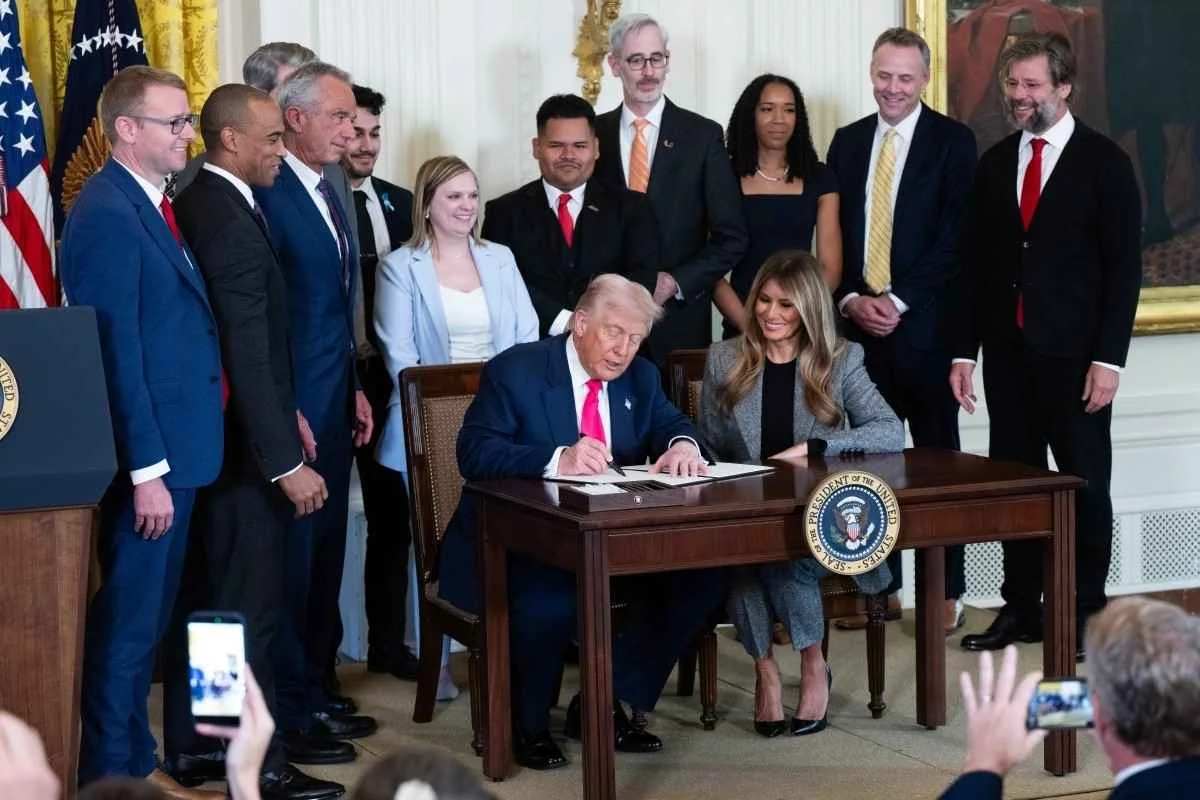
With only an elite few knowing the details, the negotiation can be termed undemocratic. By opting for absolute secrecy in the negotiations, the Argentine government saved the U.S. government the expense of financing a lobby campaign in favor of the agreement.
The free trade agreements signed by Latin American countries with the United States more than fifteen years ago were the result of numerous rounds of negotiations that lasted at least a year (Mexico, Chile, Peru, Colombia, Panama, the Dominican Republic, and the five countries belonging to the Central American Integration System: Costa Rica, Nicaragua, Honduras, El Salvador, and Guatemala). Representatives of affected and civil society representatives participated in these negotiations in an adjoining room. The countries’ chief negotiators reported the results of each round to the participants gathered in the adjoining room and answered questions. The foreign ministries or ministries of foreign trade published the voluminous texts on their respective websites before being debated in Congress for approval.
The million-dollar official propaganda campaign financed by the defunct United States Agency for International Development (USAID) promised jobs, higher wages, industrial growth, foreign direct investment, and an export boom to the US market, while leaving little room for different perspectives. However, information available during the negotiation process made it possible, despite being overshadowed by the favorable propaganda, to warn of the potential harm.
Opium dreams
When President Milei announced at the end of last year that his first goal was to sign a Free Trade Agreement with the United States in 2025, he also said that this agreement should have been signed 19 years ago. “Imagine how much we would have grown in these almost two decades if we had traded with the world’s leading power,” he speculated.
Milei’s expectations of the benefits of trade agreements with the U.S. are unfounded. Twenty years or more of these agreements between Latin American countries and the United States have cast more shadows than light. The trade surpluses that the countries had with the United States flipped quickly into deficits, as imports of consumer goods increased exponentially. Although some business sectors modernized, the industrial base eroded and informal economies, migration, and violence increased.
Milei claims the agreement with the United States will focus on opening new markets and investment. He does not take into account that taking advantage of an opening market historically has always required state support, which he abhors, in training and promotion programs, adjustments, export assistance and other aspects. Economic opening without a strategy to protect vulnerable industries destroys the local industrial fabric, with the corresponding loss of jobs, and deepens the privatization of the economy, reducing the value-added of exports.
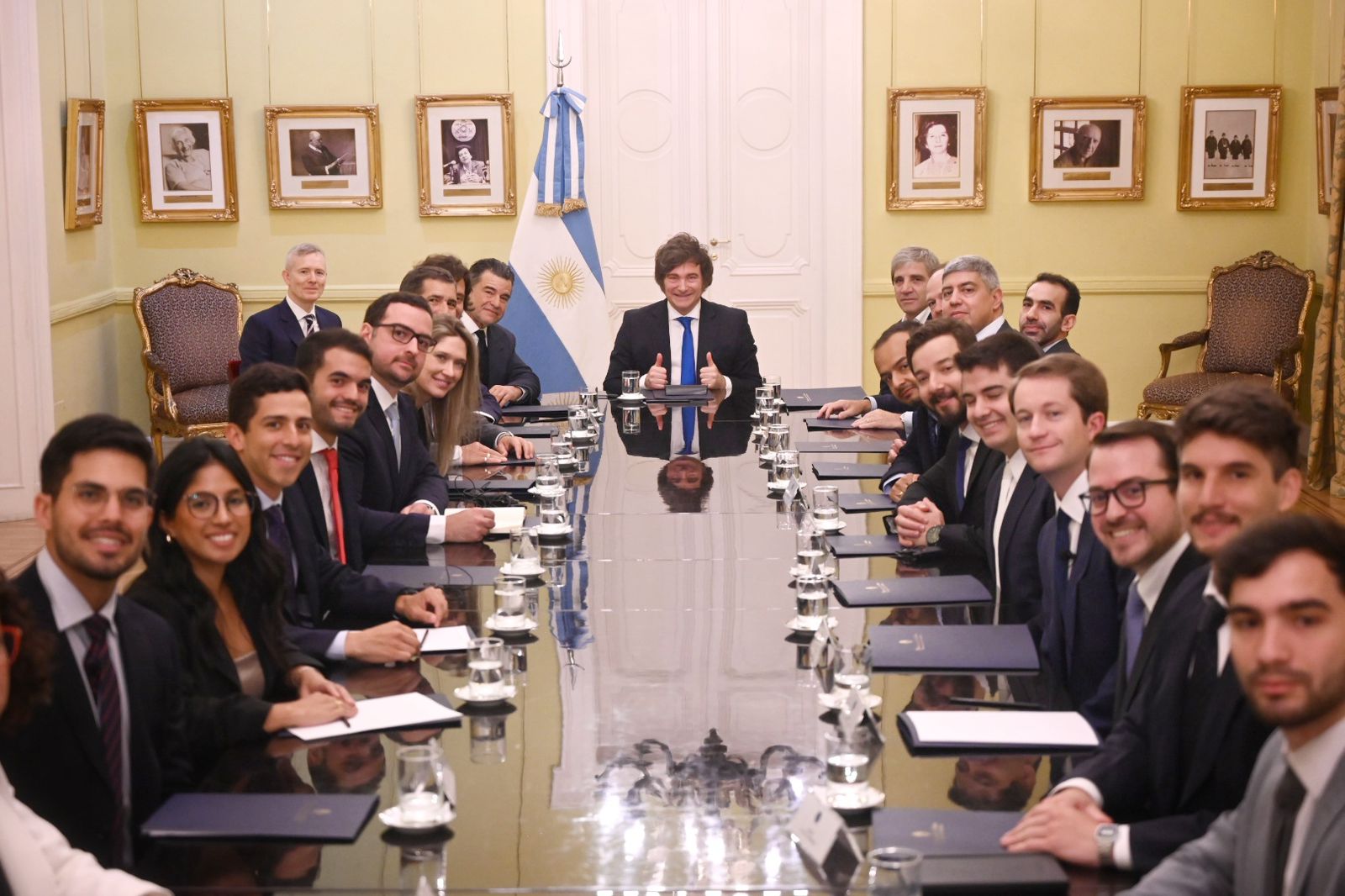
The investment chapter included in Argentina’s trade agreement, aims to reduce the capacity of developing and emerging countries to adopt industrial policies capable of better coordinating the activities of foreign companies in their territories by eliminating performance requirements for foreign direct investment. The state cannot require investors to ensure that their production has a certain degree of domestic content, nor can it place limits on the export of goods or services; nor can it require them to give preference to goods produced in its territory or relate in any way the volume or value of imports to that of exports (or to the amount of foreign exchange earnings associated with such investment). There are no requirements for technology transfer or the preservation of employment levels.
Regulations that eliminate the potential link between foreign investment and the local productive apparatus tend to destroy domestic industry, especially small businesses, which are the most important generators of employment, because they favor the purchase of imported products. This explains why the trade surpluses maintained by the countries mentioned above, with the exception of Mexico, have turned into deficits. Argentina has had a systematic trade deficit with the United States since 2005. Only last year did it achieve a trade surplus after a sharp slowdown in imports due to the recession.
The Gordian knot of intellectual property
In all negotiations of the so-called Free Trade Agreements with the United States, issues related to intellectual property have been complex and have extended the time frame for reaching an agreement. This is because the concessions to the U.S. demands exceed the parameters defined by the World Trade Organization (WTO) in terms of broadening intellectual property. Just as an example: The U.S. insists on extending the terms of test data for drug and agrochemical patents, which invariably increases prices–and profits to the often U.S.-based companies.
The very brief summary of the intellectual property chapter of the framework agreement on reciprocal trade and investment between the United States and Argentina, published by the White House, defines broader criteria for patentability, addresses delays in patent processing, and defines geographical indications. It calls for alignment of Argentine intellectual property regime with the standards set forth in the 2025 Special 301 Report of the Office of the United States Trade Representative (USTR), the details of which are not available.
This is an annual list of countries where U.S. business associations demand more stringent law enforcement on intellectual property, whether for copyright infringement and trademark counterfeiting, protection of intellectual property related to pharmaceutical products, or protection of plant varieties. The 2025 report includes a list of priority watch countries that are out of compliance (Argentina, Chile, China, India, Indonesia, Mexico, Russia, and Venezuela) and 18 countries that are out of compliance to a lesser extent (Algeria, Barbados, Belarus, Bolivia, Brazil, Bulgaria, Canada, Colombia, Ecuador, Egypt, Guatemala, Pakistan, Paraguay, Peru, Thailand, Trinidad and Tobago, Turkey, and Vietnam). Several of the countries included in these lists have signed trade agreements with the United States, but have not met the high demands on intellectual property that were imposed on them when they signed them.

The U.S. typically allows no negotiating margin in the area of intellectual property, despite frequent protests from developing and emerging countries that consider payments to be excessive, especially in the case of drug patents. This was pointed out in 2004 by Luis Guillermo Restrepo Vélez, a member of the Colombian technical group representing the health sector at the intellectual property rights negotiating table: “It would be much more transparent to tell the country that the 18 months of work on intellectual property and health issues failed, that there was never really any negotiation, and that in order to sign a free trade agreement with the United States, it is necessary to abandon the strategy of ‘negotiation by interests’, cross the ‘red lines’ and accept provisions that raise protection to levels similar to or higher than those in the treaties signed by that country with Chile and the Central American countries (CAFTA). That might have saved us conflicts, time, and resources. The fact that this is not being said clearly makes me feel ashamed and causes me pain for my country.”
Total alignment
On standards and conformity assessment, Argentina conceded to allowing the entry of U.S. products that comply with applicable U.S. or international technical standards and regulations, without additional conformity assessment requirements. This essentially means disregarding the opinion of Argentine authorities. It also agreed to accept the importation of vehicles manufactured in the United States that comply with only U.S. Federal Motor Vehicle Safety Standards and emissions standards. In addition, it will accept certificates from the U.S. Food and Drug Administration (FDA) and prior marketing authorizations for medical devices and pharmaceutical products with no additional requirements.
On the novel and interventionist issue of “Strengthening economic security alignment”, Argentina promises to deepen cooperation with the United States to combat practices implemented by other countries that do not adhere to free-market principles. Such a call is striking, given that the widespread imposition of external tariffs by President Trump on “Liberation Day” on imports from around the world, including those from his own allies, is a protectionist practice that runs contrary to the principle of the free market. The legality of imposing tariffs is currently being evaluated by the U.S. Supreme Court. Trump has cited Section 232 of the Trade Expansion Act of 1962 to claim authority to impose tariffs by executive action, bypassing Congress.
With regard to trade considerations and opportunities, Argentina and the United States will cooperate to facilitate investment and trade in critical minerals, i.e., those that are economically and strategically important, but vulnerable in terms of supply. They also agreed to work to stabilize global soybean trade. Regarding state-owned enterprises and subsidies, Argentina committed to addressing potential distortionary actions by state-owned enterprises and industrial subsidies that may affect the bilateral trade relationship. Details and implications on this are not yet known.
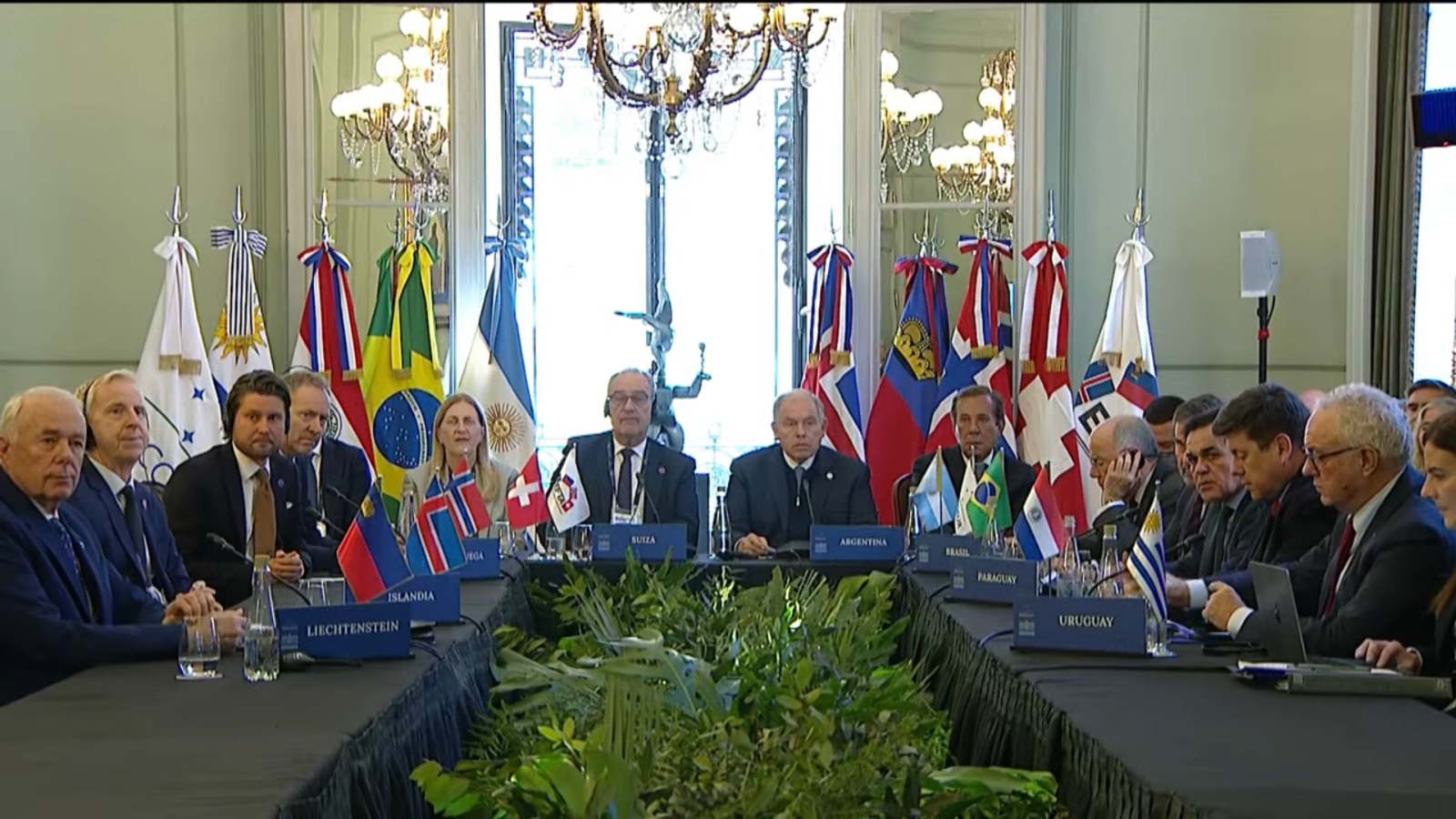
Argentina also committed to facilitating digital trade with the United States by recognizing it as an appropriate jurisdiction for cross-border data transfers. This includes personal data. The nation must also refrain from discriminating against U.S. digital services or products.
Although these “Reciprocal Trade and Investment Agreements” have the status of an international treaty, experience has shown that the United States can violate them without consequences. Latin American countries that have signed on have been taxed at a rate of 10%, in violation of the agreement. The signing of the Agreement with Argentina, which the northern country hopes will happen soon, could mean abandoning Mercosur. This would have a negative impact on the subregional entity, but also on Argentina.
The U.S. government is pushing hard to introduce, extend, and consolidate a body of legal reforms, especially in the areas of intellectual property, services, government procurement, and investment, in exchange for access to the U.S. market. In this context, it is essential to make the negotiations transparent.
The negotiations with Argentina are taking place in the context of returning favors for the intervention of the U.S. Treasury in the Argentine foreign exchange market and the offer of a $20 billion currency swap. The deal, announced days before the midterm elections, granted Milei a comfortable victory in the Oct. 26 elections. The number of seats won in Congress will allow the Argentine government to approve this so-called Reciprocal Trade and Investment Agreement behind the backs of the Argentine people, without any debate on its scope and repercussions.
This will allow President Milei to deliver up Argentina’s enormous wealth of strategic resources to his protector and savior, Donald Trump, through massive privatizations. Following Milei’s victory, Trump crowed abut how he had “given a lot of help” to the Argentine president and his party. That “help” will come at a price. Much of that price is already enshrined in the terms of the new trade agreement.

“The World in Focus” is Ariela Ruiz Caro’s biweekly column for Mira: Feminisms and Democracies. Ariela Ruiz Caro is an economist with a master’s degree in economic integration processes and an international consultant on trade, integration, and natural resources at ECLAC, the Latin American Economic System (SELA), and the Institute for the Integration of Latin America and the Caribbean (INTAL), among others. She has served as an official of the Andean Community, advisor to the Commission of Permanent Representatives of MERCOSUR, and Economic Attaché at the Embassy of Peru in Argentina.