The World in Focus
Behind the media fanfare surrounding the unusual inauguration ceremony of far-right politician Abelardo de la Espriella as president of Colombia at the Arena Auditorium of the University of Santiago de Cali, the devastating report by independent experts and rapporteurs of the UN Human Rights Council on the gravity of the situation in Cuba went unnoticed. On the eve of De la Espriella’s inauguration, which adds another link to the geopolitical web that Washington envisions as the “Shield of the Americas”, the experts described the recent measures against the island as an attempt to undermine the constitutional order of a sovereign state through threats and coercion, and urged the international community and civil society to act swiftly to prevent a “silent Gaza” from unfolding, citing a phrase used by a delegation of four Democratic members of the U.S. Congress following their visit to Cuba.
The report notes that the energy sector, transportation, irrigation, and basic services are failing simultaneously, disproportionately affecting women, children, the elderly, and other vulnerable groups, including farmers in the rural economy. They warned that food must never be used as a tool of political pressure, as measures that deliberately deprive a population of the means to survive violate the most basic guarantees of the right to life and undermine the very core of human dignity.
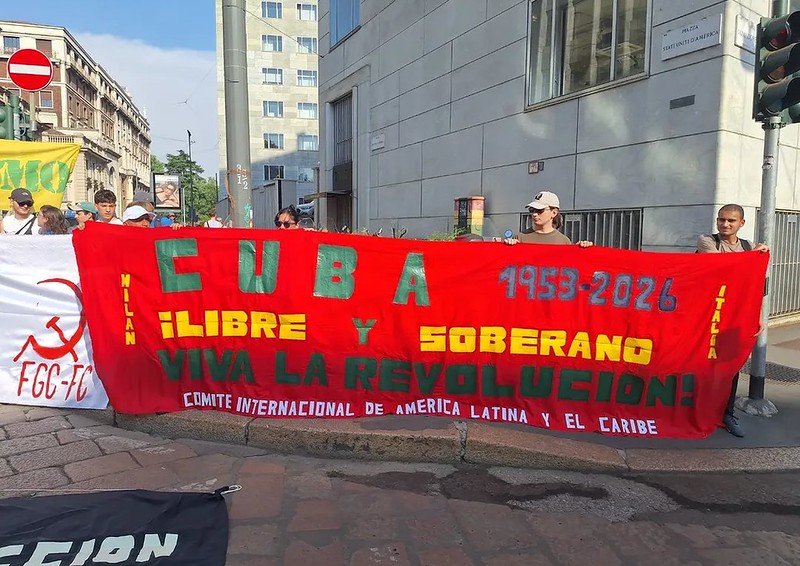
Regarding the pathetic report presented by Secretary of State Marco Rubio on July 20, titled “Cuba: The Capital of 21st-Century Communism,” which describes the island as a multifaceted threat to U.S. national security and hemispheric stability, the U.N. group criticizes the failure of U.S. authorities to produce concrete evidence to assert that Cuba supports terrorism or subversive activities while accusing Havana of waging an unconventional war against the U.S. through political infiltration, high-level cyberespionage, and covert funding of radical left-wing movements within U.S. borders. On January 29, a national emergency decree issued by the Trump administration declared Cuba an “unusual and extraordinary threat to national security and foreign policy,” and prohibited the supply of oil to the island under penalty of imposing tariffs on those who did so. Cuban Foreign Minister Bruno Rodríguez deemed the “threat to national security” a fabricated and unfounded pretext intended solely to justify the severe energy blockade and collective punishment of the Cuban people, and to build a legal framework in the eyes of public opinion for a potential military aggression.
“I Can’t Breathe”
The economic embargo imposed by the United States evokes the image of police officer Derek Chauvin in Minneapolis in 2020, pressing his knee against George Floyd’s neck while Floyd—handcuffed and face down—told him he couldn’t breathe until he stopped breathing, sparking massive protests by the Black Lives Matter movement. The U.S. government argues that the victim—in this case, Cuba—“can breathe” because, legally, the blockade includes humanitarian exceptions. However, the reality is that the weight of the legal framework of sanctions cuts off any supply of oxygen.
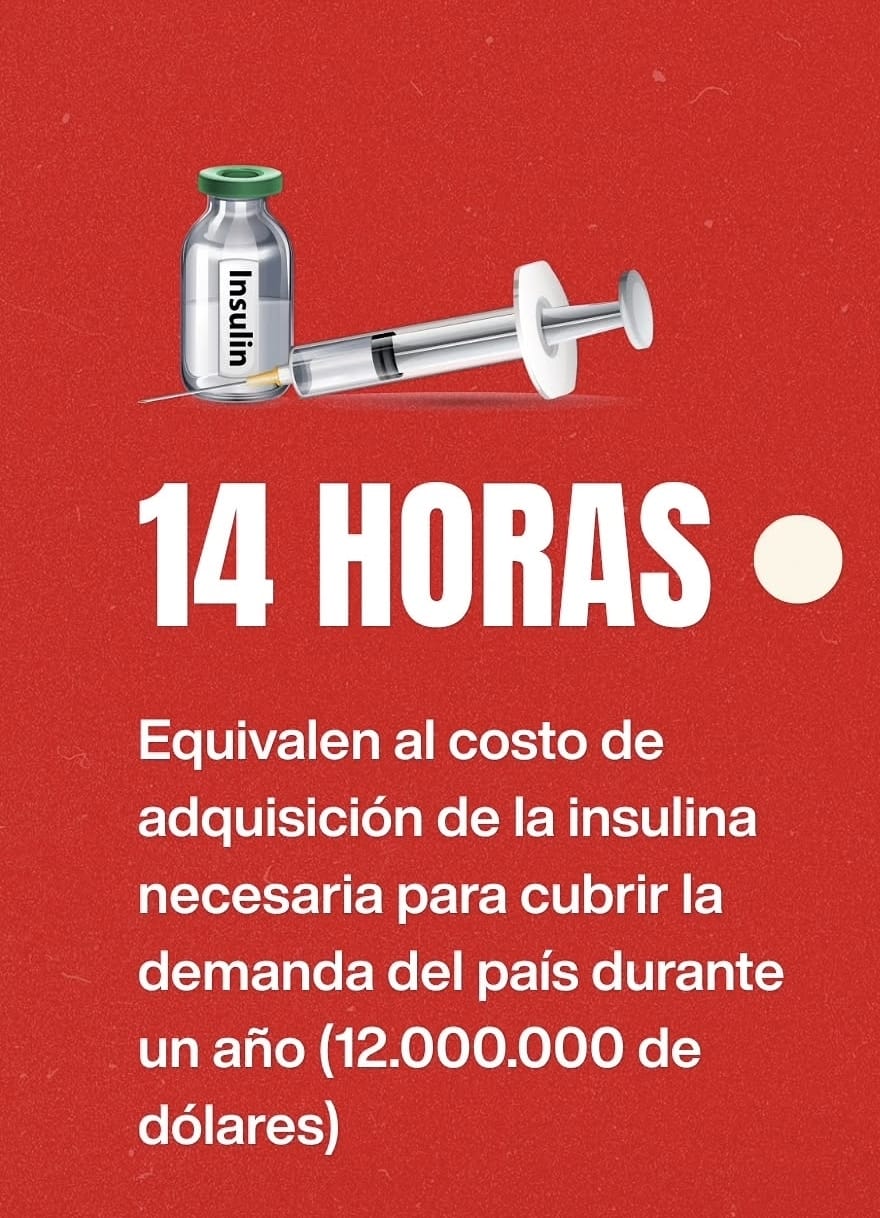
The U.S. regulatory framework includes humanitarian exceptions for trade with Cuba, but in practice, they don’t prevent the humanitarian crisis. The law prohibits Cuba from purchasing food from the United States using bank credit, so everything must be paid for in advance and in cash. Since Cuba is included on the U.S. list of State Sponsors of Terrorism (along with Iran, North Korea, and Syria), the vast majority of international banks freeze or refuse to transfer money to the island for fear of being fined by Washington.
The embargo also stipulates that any foreign commercial vessel that calls at a Cuban port is prohibited from entering U.S. ports for the following 180 days. Since the United States is the largest cargo market in the region, almost no major international shipping company agrees to transport food or medicine to Cuba because the logistical penalties would ruin their main routes.
The healthcare sector is the clearest example of how humanitarian exceptions fail in practice. The blockade on oil supplies since January has caused massive blackouts and chronic power outages. The UN High Commissioner for Human Rights, Volker Türk, recently warned that the shortage of diesel and electricity directly disrupts the vaccine cold chain, renders operating rooms inoperable, and paralyzes ambulance transport, leading to the preventable loss of human lives. Official figures from the island report that more than 100,000 surgeries have been put on hold or are on a waiting list due to a lack of basic surgical supplies (including thousands of cancer patients and children).
The state-owned biotechnology group BioCubaFarma has warned that it is unable to guarantee the supply of nearly 300 essential medications because the financial blockade prevents it from purchasing chemical raw materials from international suppliers. If a medication or piece of medical equipment contains more than 10% of components or patents originating in the United States, Cuba cannot purchase it directly. It must seek alternatives in distant markets such as China, India, or Europe, thereby increasing transportation costs. Furthermore, due to the 180-day ban on merchant ships, dozens of containers carrying international humanitarian aid donations end up stranded for months at customs and ports in third countries.
TIGHTENING THE NOOSE
Amid tensions with the United States, the Cuban government approved, in mid-June, 176 measures aimed at making its economic and social model more flexible, expanding the role of the private sector, and opening new avenues for foreign investment. These include measures promoting the opening up of the fuel and renewable energy sectors to private enterprise, the creation of private companies with no limit on the number of employees, the sale of state-owned real estate, and authorization for citizens to open bank accounts in foreign currency. While these measures do not signify the definitive end of the planned economy, they mark the most drastic shift toward a free market since the triumph of the 1959 revolution.
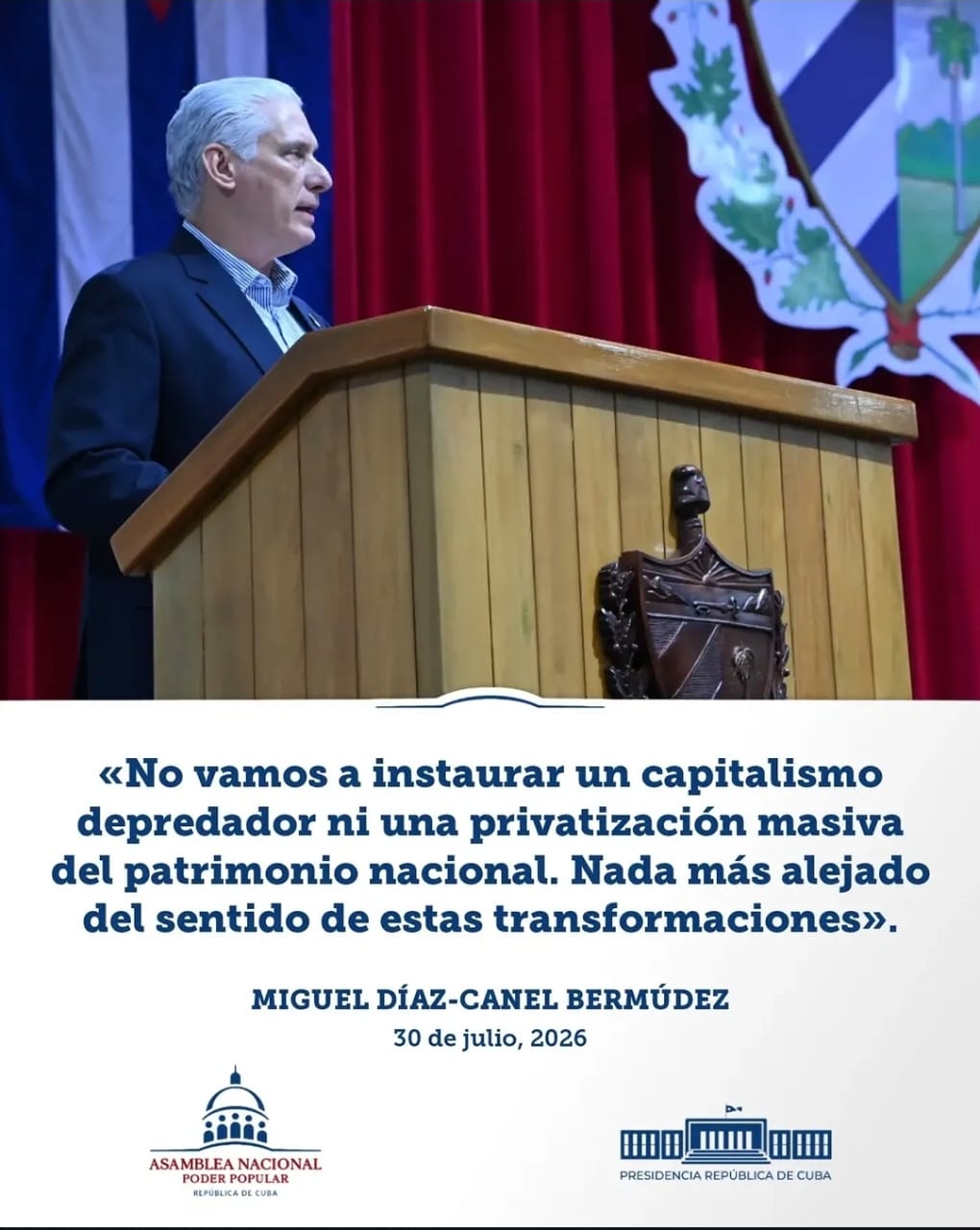
Similar to the market liberalization and absolute political control exercised by the Communist Party in some Asian countries, the Cuban government says it will maintain the socialist model, defining the measures as an “update” rather than a transition to capitalism. The Cuban president has stated that the official objective is to save the regime from the current energy and financial collapse, not to dismantle it.
Donald Trump and Marco Rubio claim the reforms do not represent a genuine economic opening, but rather a maneuver to alleviate international pressure without relinquishing political control so they will continue to escalate the economic stranglehold to set Cuba on an irreversible path toward radical regime change before the end of the year, as reported by The New York Times and Axios. They have also revealed that Washington is exploring which figures within the island’s inner circle or forces could form part of an alternative leadership if the current model collapses definitively due to a lack of energy and fuel.
Marco Rubio has explicitly stated that the U.S. plan consists of a campaign of constant maximum pressure: “”Every time they create a new mechanism in which they try to get out of the noose, we just close it off.” To neutralize the impact of Cuba’s economic package, Washington has expanded its sanctions to immediately block new financial entities and institutions such as the Banco Financiero Internacional—a publicly traded company with entirely Cuban capital founded in 1984 and responsible for channeling monetary and credit operations in foreign currencies, which is key to the new plan for generating foreign exchange. President Díaz-Canel has compared the U.S. energy blockade to the colonial tactics of “reconcentration” from the 19th century, reaffirming that the country will persist in its reforms alongside alternative partners such as China and Vietnam so as not to yield to Washington’s demands.
The Sound of Silence
Against this backdrop, on July 7, Cuba requested a special session of the United Nations General Assembly to discuss the immediate impact of the new energy restrictions imposed by the Trump administration. The proposal was approved with 136 countries voting in favor, strong opposition from the United States—along with eight other countries, including Argentina, Paraguay, and Costa Rica—30 abstentions (Ecuador, Guatemala, Honduras, El Salvador, Panama, Peru, the Dominican Republic, Grenada, and Trinidad and Tobago), and two absent nations: Antigua and Barbuda and Guyana.
The U.S. delegation had notified several diplomatic missions that Washington would record and analyze in detail the votes and speeches of every nation supporting Cuba’s initiative to open the plenary session, suggesting that this would have negative consequences for bilateral relations with the White House. Information about U.S. diplomatic pressure came to light through a secret cable signed by Marco Rubio on July 1, which was leaked to the press, published by Peter Kornbluh in The Nation, and publicly denounced by Cuban Foreign Minister Bruno Rodríguez. According to the leaked text, the U.S. strategy classified countries to provide specific guidelines to its embassies as follows:
1. Close allies: Demand that they “deliver speeches rebuking Cuba for its adherence to a thoroughly discredited economic theory, its gross incompetence, and its widespread corruption.”
2. Non-aligned countries: Urge them to maintain absolute silence and refrain from issuing statements
3. Cuba’s traditional partners: Warn them that “the United States will be listening very closely” to each of their speeches, and that it “will try to prevent the use of arguments that could create tensions in our bilateral relations.”
Despite these efforts, the U.S. argument for keeping the Cuban issue strictly within a bilateral framework failed, as the vast majority of representatives from the international community considered that the extraterritorial scope of the oil and institutional embargo constituted a global emergency. Cuba succeeded in demonstrating that the economic stranglehold imposed on it can be suffocating, but the international political isolation with which the United States attempts to isolate it still has cracks. The “maximum pressure” campaign led by Marco Rubio has fragmented the Latin American vote, exposing the deep diplomatic rift in the region. The Community of Latin American and Caribbean States (CELAC) can not even issue a joint statement demanding basic respect for international law and putting an end to the economic stranglehold on the island.
While it is true that economic and political changes are needed in Cuba, something its leadership is well aware of, the sanctions imposed by the United States on the island have serious humanitarian consequences, as documented in the Aug. 6 UN Human Rights Council. The report also notes that the United States’ unilateral and illegal coercive measures against Cuba contravene Article 2 of the United Nations Charter; that these measures are part of a broader strategy of regime change; that all measures imposed against the country must be revoked; and that the Security Council and the General Assembly must urgently address these threats as a matter of international peace and security.
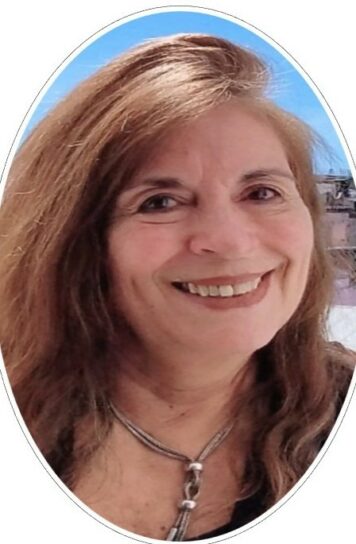
“The World in Focus” is Ariela Ruiz Caro’s column for Mira: Feminisms and Democracies. Ruiz Caro is an economist and researcher at the Center for Development Studies and Promotion (DESCO). She has served as an official and international consultant on trade, integration, and natural resources for CEPAL, the Latin American Economic System, and the Institute for the Integration of Latin America and the Caribbean, the Andean Community, the Mercosur Permanent Represetatives Committee and Economic Attaché at the Peruvian Embassy in Argentina. arielaruizcaro@gmail.com