The World in Focus
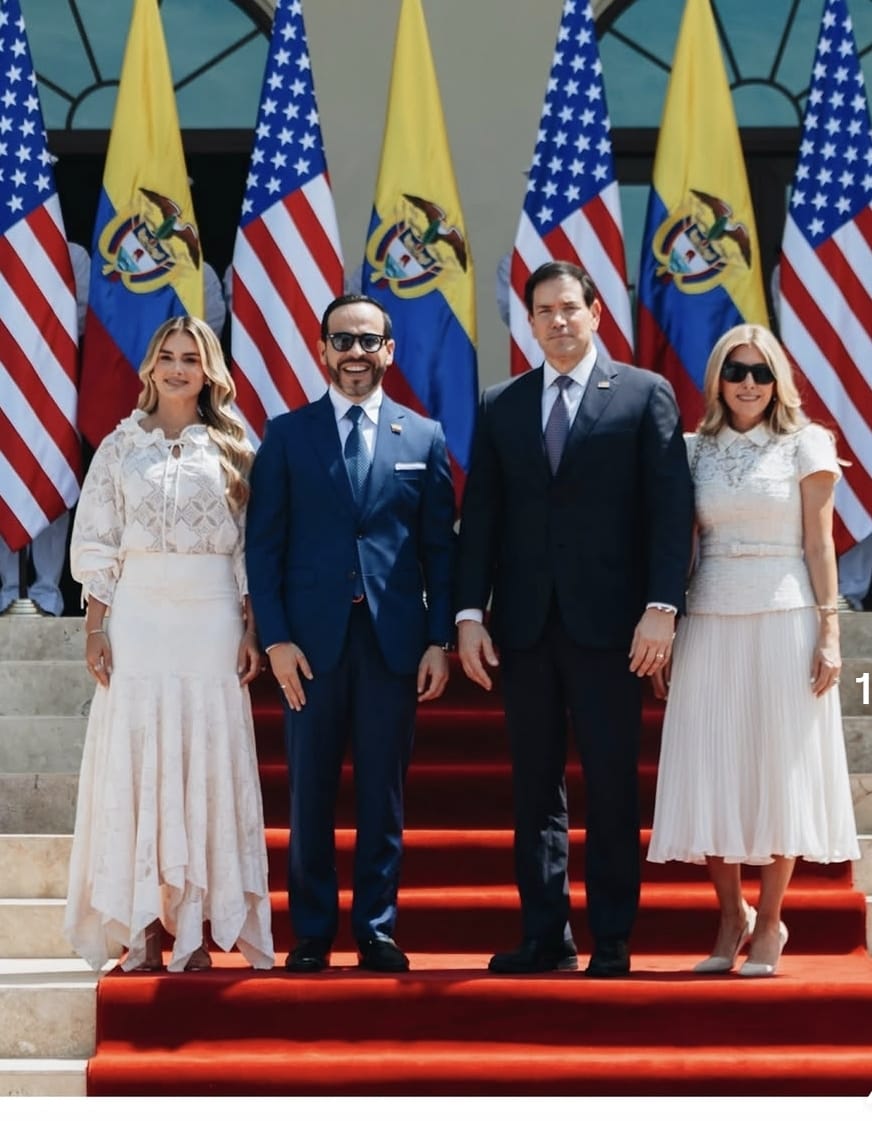
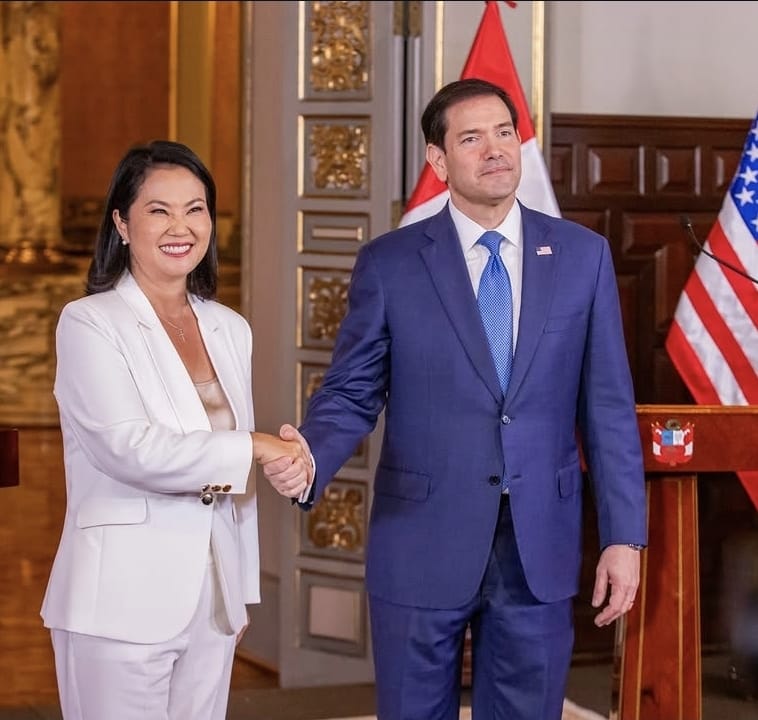
The handshakes between U.S. Secretary of State Marco Rubio and the leaders of the Andean bloc were presented as the rebirth of a golden age in hemispheric relations. The mutual back-slapping in Barranquilla between Rubio and Abelardo De la Espriella, in Quito with Daniel Noboa, and in Lima with Keiko Fujimori were intended to project an image of absolute agreement on the values of security and democracy.
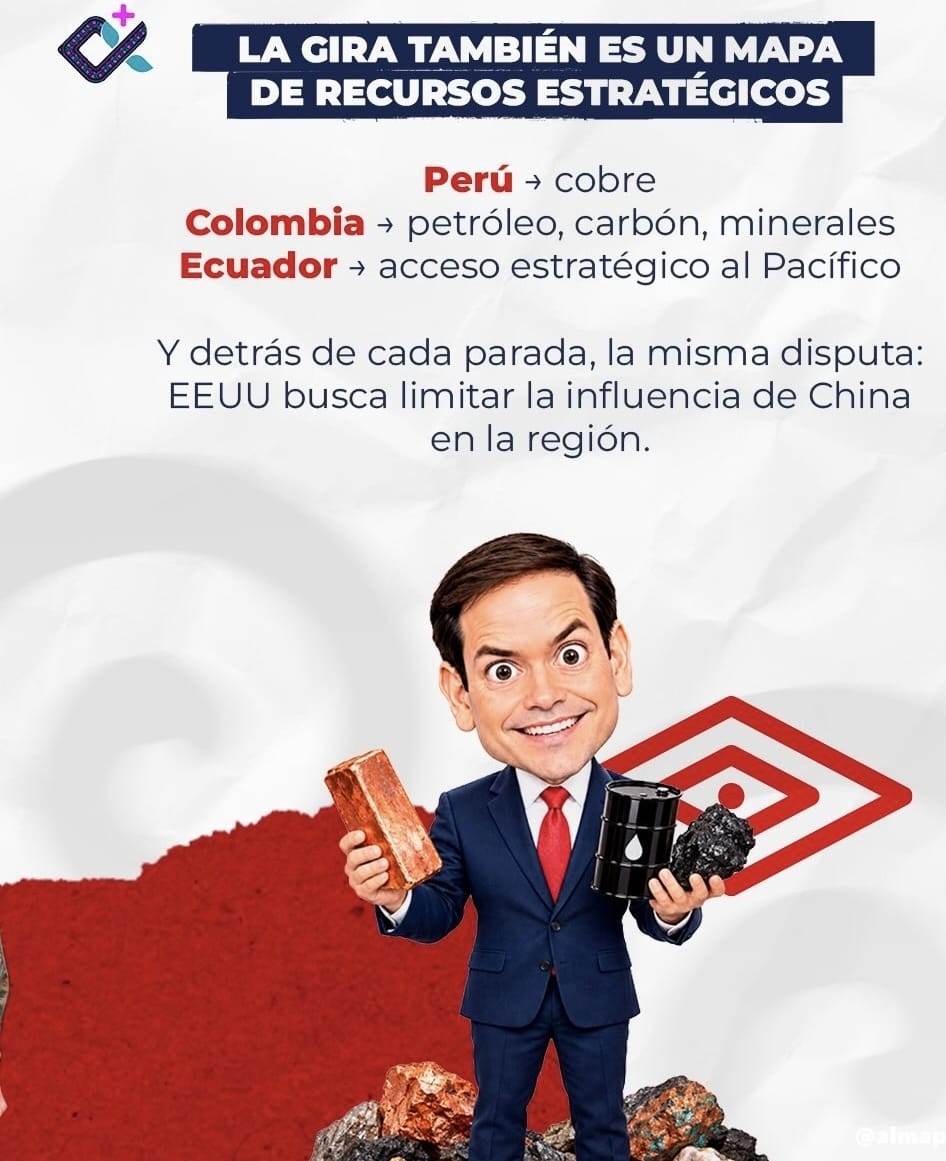
However, behind the scenes, there is a disconnect between the military-extractive agenda imposed by Washington, which Andean governments have meekly accepted, and the “every man for himself” economic reality faced by local producers in those countries. This is due to the 12.5% tariffs imposed by President Trump, who has violated existing bilateral trade agreements with the region. None of them dared to openly address the economic and social impact currently affecting the Andean countryside during their meeting with Rubio on his Sept. 8-10 tour.
The main objectives of the U.S. Secretary of State’s tour were to celebrate donations and/or contracts for the purchase of weapons, helicopters, and other military hardware from the U.S., to sign agreements for the extraction of critical minerals, and to secure his “backyard” to keep China at bay. Shortly after arriving in the Andean region, Rubio published an op-ed titled “A Hemisphere That Delivers” simultaneously in the region’s leading right-wing newspapers. In the op-ed, Rubio claims “projects backed by the Chinese Communist Party bypass Peru’s legal frameworks and threaten transparency.” He strongly urges the governments of Colombia, Ecuador, and Peru to immediately restrict infrastructure and telecommunications investments from China, describing them as “predatory practices” designed to “mortgage the sovereignty of the Western Hemisphere.” Far from being a friendly suggestion, the warning functioned as an ultimatum: for Washington, hemispheric security demands that South America choose a side in the new global Cold War.
The War on Drugs as an Instrument of Domination
The framework of combating drug trafficking serves as the United States’ primary mechanism for geopolitical control in the region. The recently announced “Plan Patriota Siglo XXI”–in which De la Espriella asks the United States to fund technology, radar systems, and cyberdefense and announces the resumption of aerial spraying, with Rubio leaving open the possibility of establishing a joint military base in Colombia—or the delivery of coast guard vessels to Ecuador, are not acts of philanthropy, but rather part of a circular business model designed by and for the U.S. military-industrial complex.
The U.S. industrial complex reaps economic profits at the very moment its commercial establishments—authorized to sell weapons to the public—supply the cartels. Border states Texas, Arizona, New Mexico, California, and Florida supply more than 70% of these weapons. Subsequently, financial institutions with lax due diligence policies, limited liability companies with opaque legal structures based in domestic tax havens such as Delaware, Wyoming, or Nevada, and the luxury real estate sector in South Florida all profit when they absorb and launder the billions of dollars generated by drug use in the United States.
According to the Financial Secrecy Index (FSI) compiled by global networks such as the Tax Justice Network, the United States has established itself as one of the planet’s largest financial black holes, historically surpassing traditional jurisdictions like Switzerland or the Cayman Islands in terms of opacity. While Washington imposes draconian oversight standards on Andean economies, its own states protect the anonymity of capital under the pretext of attracting investment. Thus, the so-called “circular business” of organized crime is not a systemic failure, but rather a sophisticated regulatory design shielded within U.S. territory itself.
The United States provides the consumer market, illegal weapons, and safe havens for money laundering. It then also provides the official equipment to combat the violence that it itself financed.
The circle closes once again when the governments of De la Espriella, Noboa, or Fujimori use citizens’ tax money to buy Black Hawk helicopters, surveillance drones, and radar systems from the U.S. to combat the problem. The United States provides the consumer market, the illegal weapons, and the safe havens for money laundering. It also provides the official equipment to combat the violence that it itself financed. Thus, the war on drugs keeps the Andean states in a state of perpetual technological and military dependence on Washington.
Breaches of Free Trade Agreements (FTAs)
While Andean government officials were lavishing Marco Rubio with pleasantries about security cooperation, little or nothing was said about the severe blow that U.S. customs is dealing to the region’s real economy. They have been doing so since the July 23 implementation of the 12.5% across-the-board tariff under Section 301, as we previously noted in *El mundo en foco*. The measure was imposed in violation of economic treaty agreements that included provisions governing bilateral trade: the Peru-U.S. FTA signed in 2006, the Colombia-U.S. FTA from the same year, and the Reciprocal Trade Agreement (ART) signed by Ecuador in March 2026, which addresses only trade matters.
In Peru, the Association of Exporters (ADEX) has reported that this tariff affects nearly 50% of exports to that market, eroding profit margins in labor-intensive sectors such as blueberries, grapes, and textiles. U.S. buyers are demanding that local producers absorb the cost of the tariff so as not to raise prices for U.S. consumers.
Political cynicism reached unbelievable levels during Rubio’s tour. In Colombia, President De la Espriella attempted to invoke the humanitarian tragedy of the devastating August 2026 earthquake to plead for a “temporary exemption” from the tariffs on humanitarian grounds. Washington made any tariff relief contingent on initiating more complex and restrictive legislative procedures, which in practice left Colombian flower growers and agricultural exporters unprotected during the critical weeks following the disaster. Despite this refusal, the Colombian government continued with the pomp and circumstance of bilateral meetings without lodging a formal protest on behalf of corn, rice, and flower farmers who are losing their competitiveness.
In Ecuador, the situation is exactly the same: the country eliminated tariffs on U.S. machinery and industrial products under the ART, but its shrimp and broccoli exporters now pay 12.5% duties at U.S. ports. None of the Andean presidents has had the political integrity to demand legal reciprocity or to denounce the fact that free trade rules only apply when they benefit the North.
Between Scylla and Charybdis
The pressure exerted by Rubio’s diplomacy places the Andean region at a crossroads: U.S. military control and regulatory suffocation, or financial dependence on Chinese investments. Rubio has made it clear that Washington will not tolerate ambiguity. However, this strategy clashes with the pragmatism of local business sectors that view the United States’ current ability to fulfill its economic promises with deep skepticism.
Recent history justifies the business community’s skepticism. Washington’s previous efforts to counter China’s Belt and Road Initiative—such as “America Grows” (2019) under Trump, or the “Alliance for Economic Prosperity in the Americas” (2022) under Biden—failed spectacularly due to a lack of funding. With a colossal federal public debt that already exceeds $40 trillion and a chronic fiscal deficit of 6%, the United States lacks the public “coffer” needed to finance the ports, highways, and power grids that the Andean region requires. China, on the other hand, operates as a “merchant state” that does not interfere in domestic politics or audit local institutions. It simply arrives with immediate state capital, such as the construction of the Chancay megaport in Peru by the Chinese state-owned company Cosco Shipping or the construction of the subway in Bogotá.
The Peruvian mining association (SNMPE) and agricultural exporters understand that, ideologically, the government aligns itself with Washington. Over the past five years, this has been made possible by the digital interference of political actors aligned with the global right in presidential elections, but the productive sectors are reluctant to sever ties with their main buyer of raw materials, China.
According to the Americas Barometer survey, conducted jointly by the Kellogg Institute and the Center for Global Democracy at Vanderbilt University, citizens in these three countries—as in the rest of Latin America—trust the Chinese government more than the U.S. administration. The Americas Barometer survey also suggests that the electoral shift to the right in countries such as Peru and Colombia reflects discontent with the incumbent governments rather than a deeper ideological realignment around right-wing values. While the leaders Rubio met with are clearly aligned with Trump, their public mandate to follow Washington’s lead is less solid.
FORGE (Forum on Resource Geostrategic Engagement)—a bilateral agreement on critical mineral supply chains with the United States that includes a “minimum price” system proposed by the U.S. and signed by Peru—is viewed by business leaders as a regulatory stopgap, but not as a substitute for the immediate liquidity offered by the Asian market. The irony of the U.S. strategy is that, by imposing 12.5% tariffs and bureaucratic hurdles on local producers, the White House is actively pushing Andean businesses to use Chinese logistics infrastructure and redirect their exports toward that market.
Conclusion
Marco Rubio’s visit to the Andean region has once again laid bare the lack of sovereignty among the governments on the periphery of the Americas. Behind the defense and cybersecurity agreements, a model of structural exclusion has taken root, one that sacrifices local producers and informal workers in the name of the geopolitical interests of a power in financial decline but militarily colossal.
It is a profound historical irony that it had to be Chinese diplomatic missions that issued statements reminding the world that “Latin America is no one’s backyard,” while the highest authorities in Bogotá, Quito, and Lima threw themselves into Rubio’s arms.
Andean governments seem to forget that international and local respect is not earned through unconditional submission. Remaining silent in the face of the punitive tariffs imposed by the Trump administration despite the harm they cause to businesses and thousands of informal workers in the Andean region; committing to exclude China, or any other country, as a source of capital for developing infrastructure and investing in the region’s natural resources; and allowing U.S. military interference to combat drug trafficking without demanding drastic measures to curb demand from the United States will expose Andean presidents to a rapid and widespread rejection by their citizens.

“The World in Focus” is Ariela Ruiz Caro’s column for Mira: Feminisms and Democracies. Ruiz Caro is an economist and researcher at the Center for Development Studies and Promotion (DESCO). She has served as an official and international consultant on trade, integration, and natural resources for CEPAL, the Latin American Economic System, and the Institute for the Integration of Latin America and the Caribbean, the Andean Community, the Mercosur Permanent Represetatives Committee and Economic Attaché at the Peruvian Embassy in Argentina. arielaruizcaro@gmail.com