Category: Human Rights

Salvadoran Migrants Express Fear, Uncertainty Under New Trump Administration

March 17, 2017

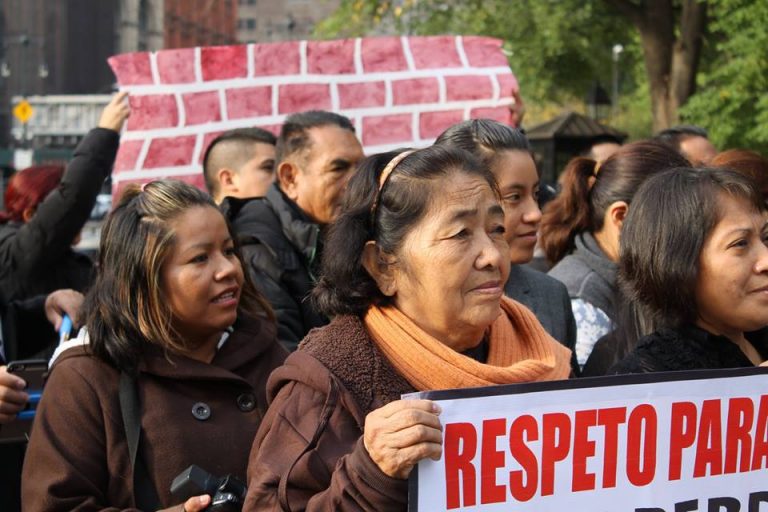
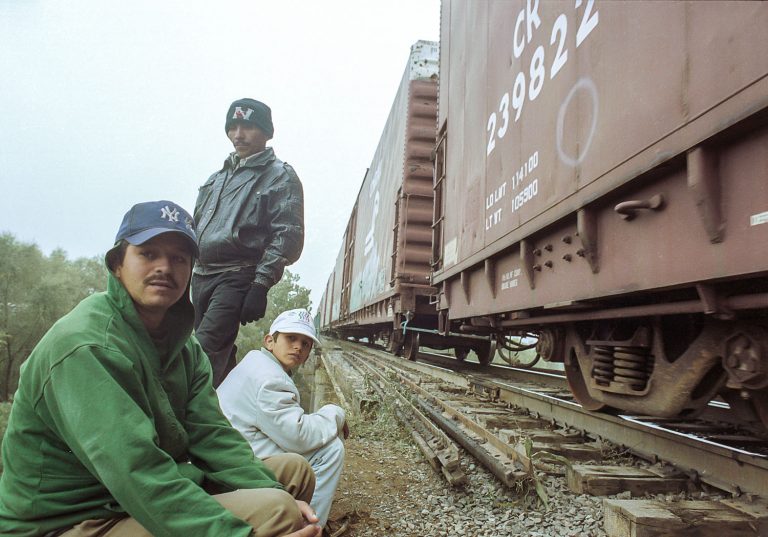
Adela M. arrived in the United States less than a year ago to work to send money home to her family. Like many other Central American migrants, the fifty-year-old woman feels uncertainty, fear and anxiety over the results of the U.S. presidential elections in November.Adela M. arrived in the United States less than a year ago to work to send money home to her family. Economic conditions in El Salvador forced her to leave everything behind in her native country to seek a way out. Like many other Central American migrants, the fifty-year-old woman feels uncertainty, fear and anxiety over the results of the U.S. presidential elections in November.
FARC Women Prepare for Civilian Life After the Plebiscite

March 17, 2017

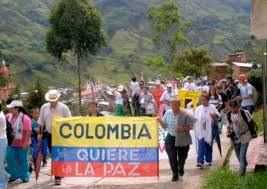
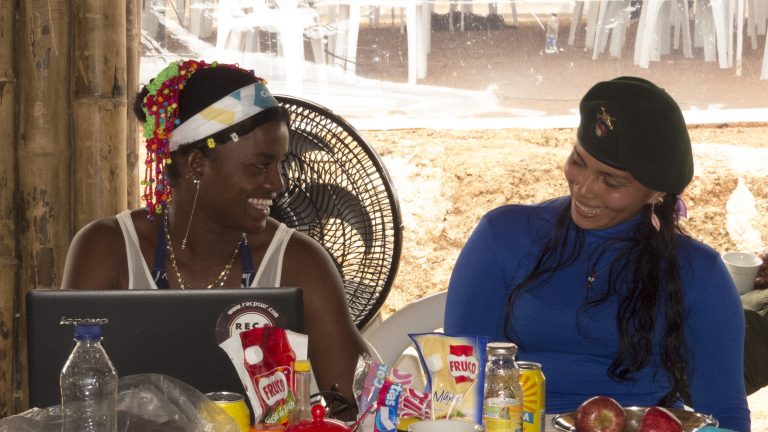
Once out of the concentration zone, Marta dreams of opening a clinic in the rural areas of Colombia. Ledis, a political prisoner of the Gabriel Galbis Unit of the FARC who received a special permit to participate as a delegate in the X National Guerrilla Conference, shares her dreamOnce out of the concentration zone, Marta dreams of opening a clinic in the rural areas of Colombia. Ledis, a political prisoner of the Gabriel Galbis Unit of the FARC who received a special permit to participate as a delegate in the X National Guerrilla Conference, shares her dream.

Fighting for Indigenous Rights, from the UN to Yaqui Territory and Standing Rock

November 16, 2016

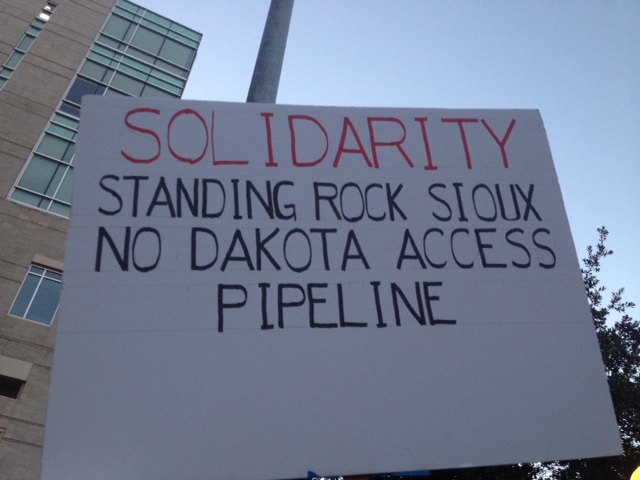
The basic principle at the core of demands of indigenous peoples at Standing Rock and at Loma de Bacum has been supported internationally by two former UN Special Rapporteurs for Indigenous Rights, and recently endorsed by the current Rapporteur, Victoria Tauli Corpus. That principle states that governments must ensure that companies consult with indigenous peoples prior to launching megaprojects and was first set out in the 2007 UN Declaration on the Rights of Indigenous Peoples.

Crossing the Line

November 11, 2016

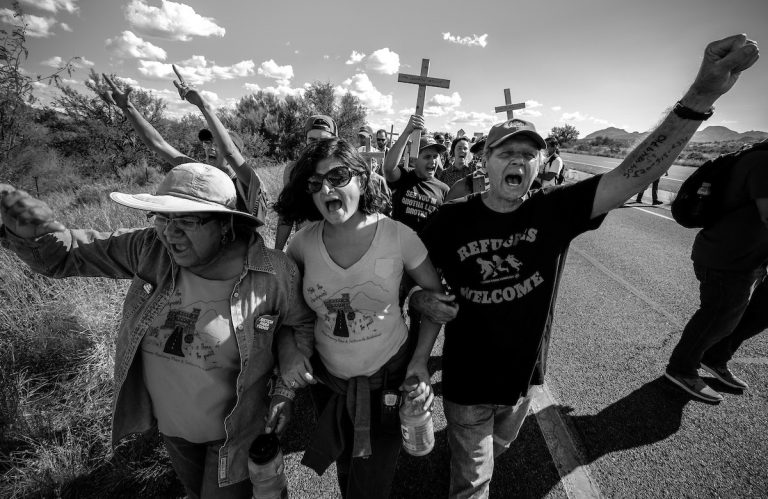
The group of migrants has decided to walk across the city’s characteristic bridge to call for “fewer walls, more bridges.” Among them are mothers and children who had not seen each other in more than 20 years, and grandparents who had never met their grandchildren who grew up in this huge city far away from the villages their parents were born in.

How is gender-based violence in Latin America measured?

November 10, 2016

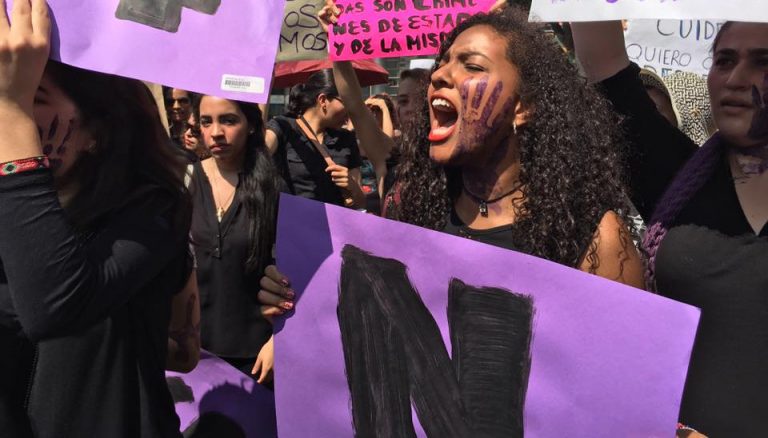
If my life does not matter, produce without me.” With that slogan was born, from Argentina, the call for the first national woman’s strike. The idea quickly spread to several Latin American countries, and women from Honduras, Mexico, Chile, Bolivia, Uruguay, among others joined the call to mobilize.

From Student Movement to Autonomous Education

November 1, 2016

The broad student movement that won Chile’s alamedas – with demonstrations of hundreds of thousands of young people and the occupation of dozens of secondary schools, demanding changes in the education system – has sedimented in the creation of some thirty self-managed education initiatives in working-class territories.

Citizen Excursions into the Border’s Valley of Dollars and Death

October 27, 2016

It’s anybody’s guess how many victims of violence are still buried somewhere in the Juarez Valley on the Mexico-U.S. border. For starters, there is the still largely unexcavated Navajo Arroyo, where the remains of 18 young women who went missing from nearby Ciudad Juarez have been recovered and identified since late 2011, according to the local daily Norte.

Plan Colombia, Permanent War and the NO Vote

October 17, 2016

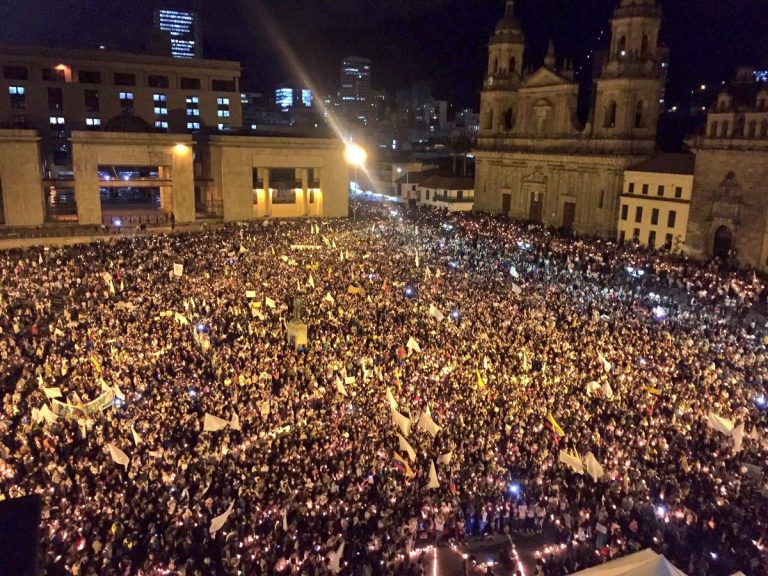
The Colombian people voted NO to peace. Or to be exact, 50.2% of 37% of the eligible population voted no. In the referendum held Oct. 2, the majority of voters decided to scuttle four years of peace talks dedicated to ending 52 years of bloodshed.