U.S. Profits vs. Mexican Maize
September 10, 2024
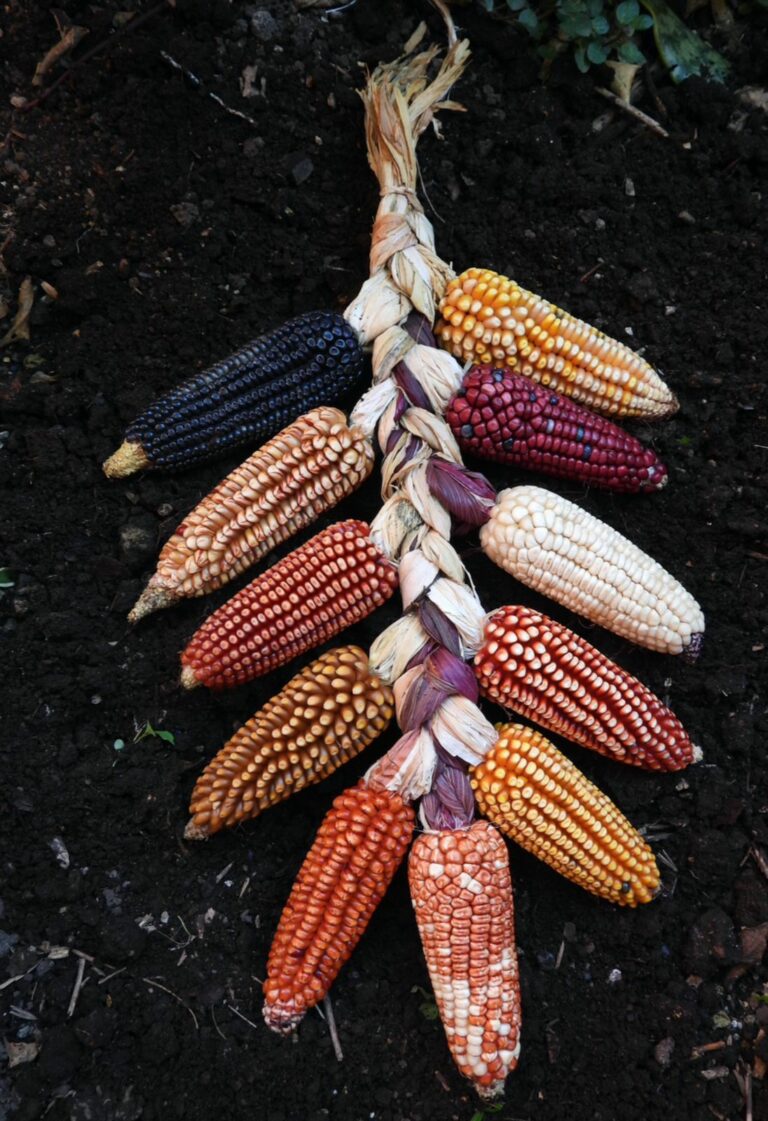
The United States government is trying to force Mexico to continue importing genetically modified corn, despite proven negative impacts on health and the environment

The United States government is trying to force Mexico to continue importing genetically modified corn, despite proven negative impacts on health and the environment
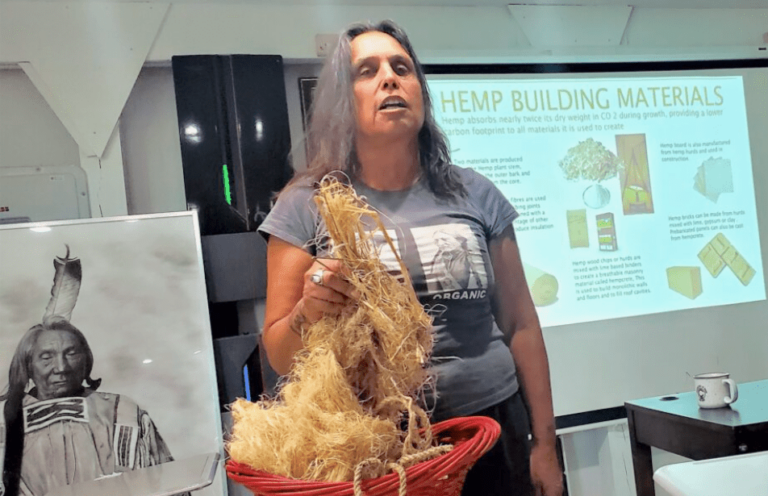
A global enterprise based in Spain may seem an unlikely role model for a fledging American Indian initiative. But inspired by its success, Winona’s Hemp and Heritage Farm in Anishinaabeg territory is sowing the start of an intertribal cooperative consortium.
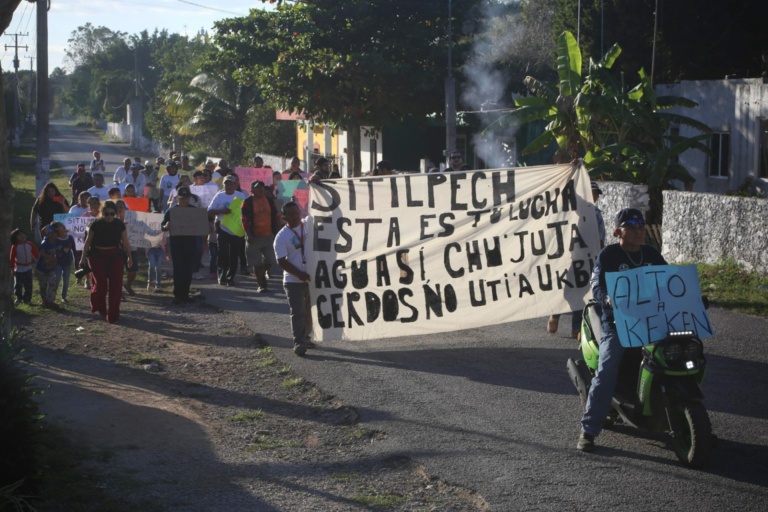
More than 220 mega hog farms operate in the Yucatan territory, wreaking havoc on water reserves, traditional agriculture, food sovereignty and territorial control by local communities. This industry relies on exports and bases its operation on the looting of natural resources, the subjugation of indigenous peoples, and a low-cost operation based on the creation of precarious employment. These accelerated and intense socio-environmental impacts have multiplied the resistance of local Mayan communities.
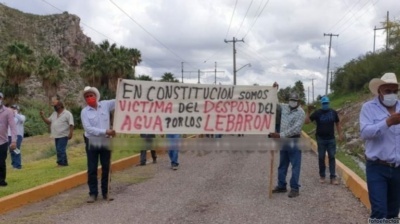
Throughout Mexico, extractivist projects by companies in mining, tourism and forestry are invading communal and ejido territories. And throughout Mexico, the defenders of these territories are assassinated, disappeared, accused, criminalized. But they never stop resisting.
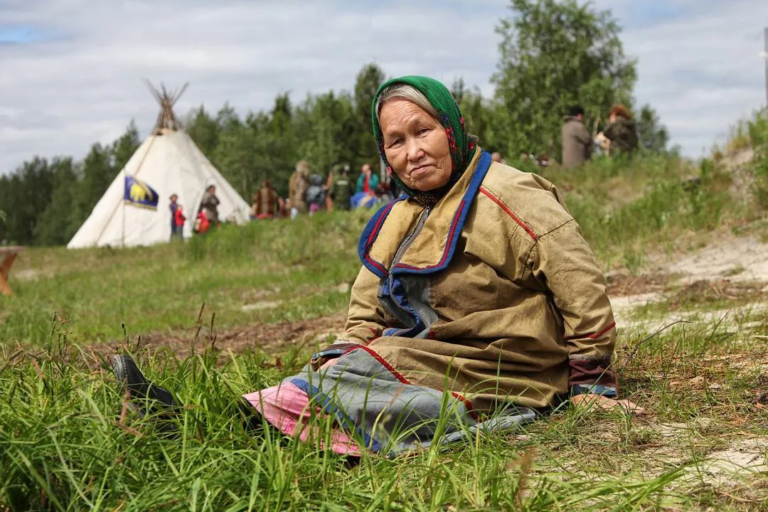
With the release in April of the report from the Intergovernmental Panel on Climate Change, the time is ripe to celebrate a breakthrough by Indigenous Peoples in participation on the scientific advisory board that guides global warming policy for 195 U.N. countries. Opinion leaders should push the envelope for more of the same.
During the Trump administration, the U.S. deported an average of 275,725 people per year, almost the same number of workers – 257,667 – brought by growers last year to labor in U.S. fields. Contract laborers on H2-A visas now make up is a tenth of the U.S.’s total agricultural workforce – an increase of more than 100,000 in just six years.
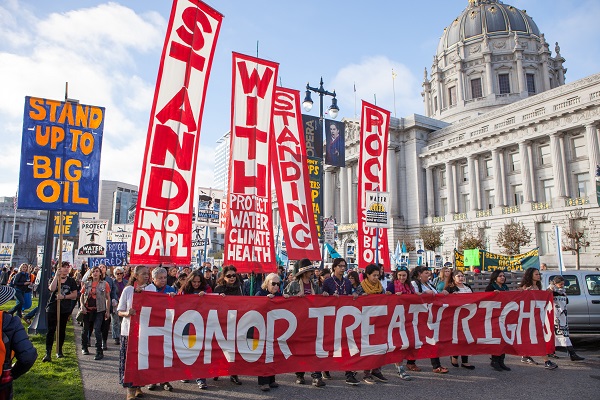
The final rulings of the Supreme Court calendar year favored indigenous causes diametrically opposed to those of incumbent candidate Donald Trump, reaffirming treaty rights and proving the power of recent grassroots mobilizations.
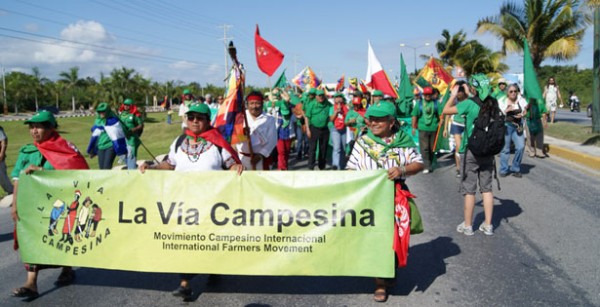
Ciudad Juarez on the Chihuahua-Texas border has historically been a nexus of migration and global capital flows. Now that the presidency of Donald Trump has revived international debates on both, the international small farmers’ organization, Via Campesina, gathered from around the world there in early November to examine the connections between low-wage work, migration and the environment.
NAFTA’s impact on small-scale agriculture in Mexico and an Agenda for Reforms.
At the Global Village of Alternatives, dozens of grassroots organizations from countries all around the world present their arguments for stronger efforts to stop climate change and offer ground-up solutions based on traditional knowledge and new technologies.