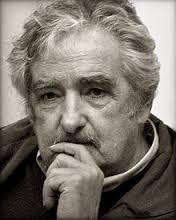
José Mujica, from armed struggle to the presidency
March 18, 2015
In-depth interview with the unique South American president, from the CIP Americas Program.
In-depth interview with the unique South American president, from the CIP Americas Program.
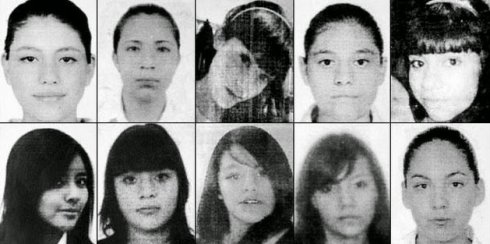
As the demand for justice for the 43 disappeared Ayotzinapa students continues in streets worldwide, the epidemic of violence against women grows and justice for its victims remains relegated to a labyrinth of impunity, inefficiency and government indifference.
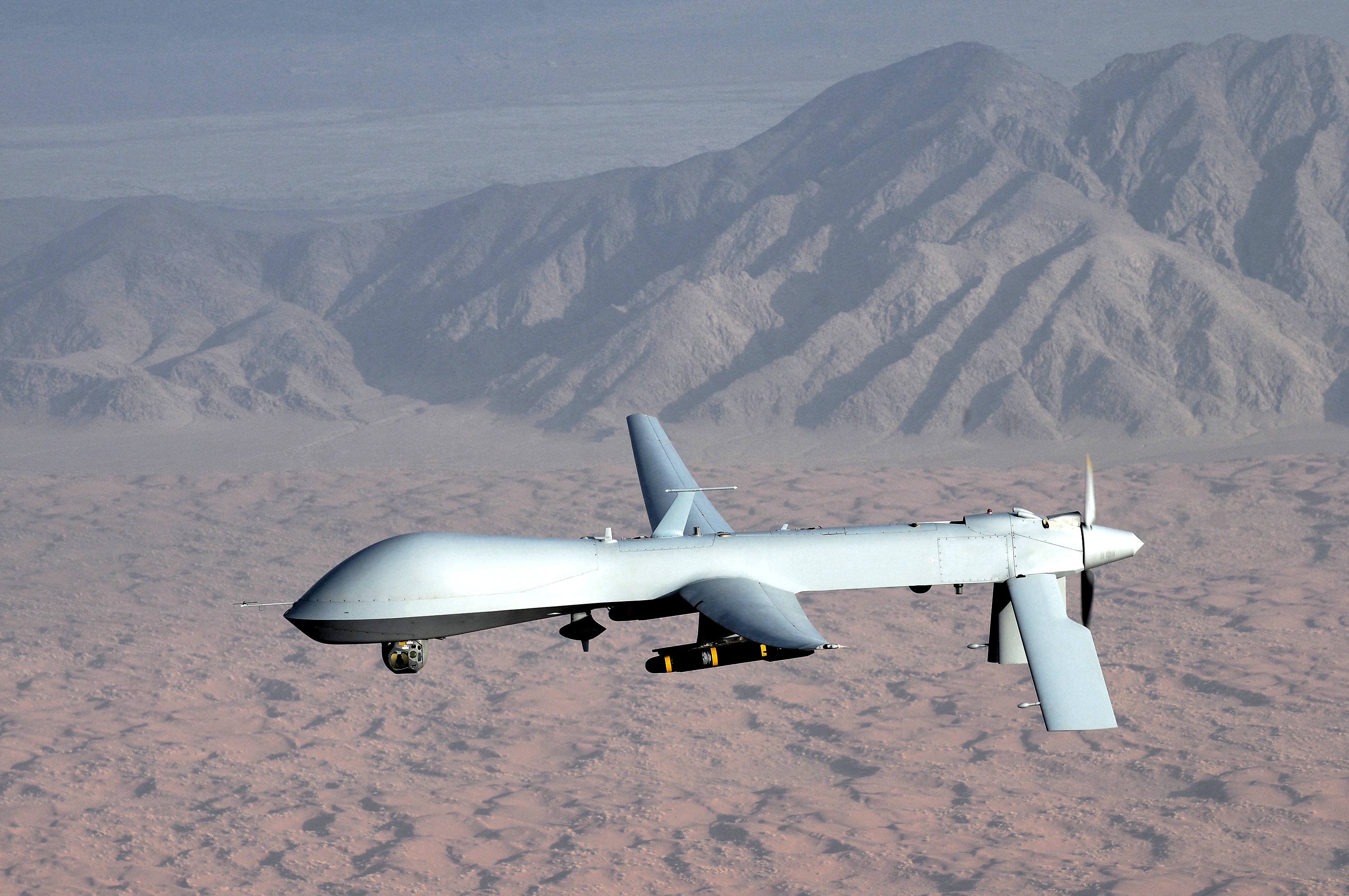
The CBP drone program’s lack of effectiveness, absence of a clear mission focus, gaping cost-benefit disjuncture, and failure to demonstrate comparative advantage over other aerial assets underscore that it is time to not only limit the program, but to shut it down.
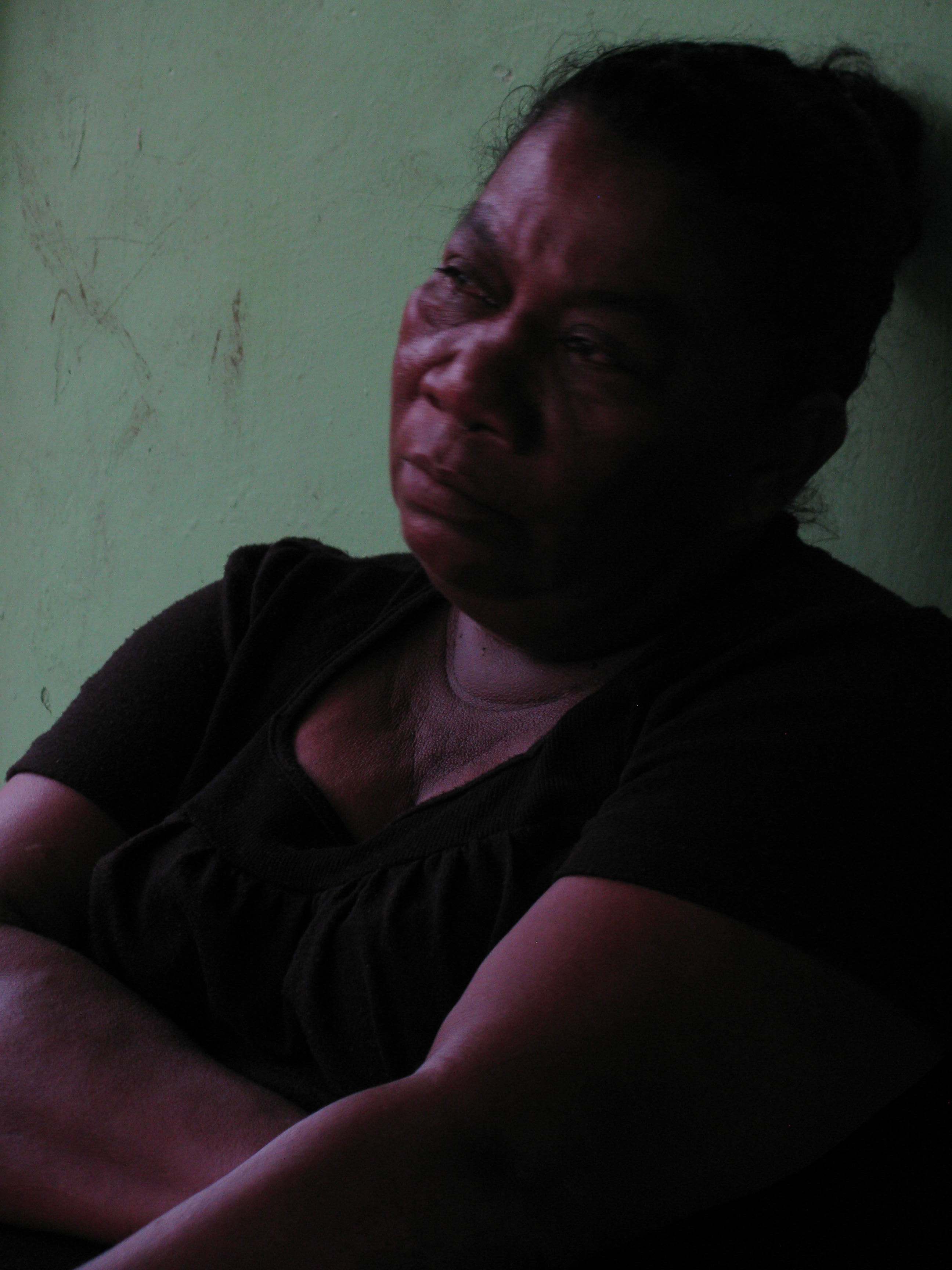
Clara Wood, survivor of the DEA-Honduran Drug War Massacre in Ahuas that took the life of her 14-year old son, declared that she has been pressured to alter her account of events by members of the U.S. government.
President Obama has nothing to gain, and much to lose, by propping up Mexico’s corrupt President, Peña Nieto. Peña Nieto will be in Washington on Tuesday, seeking to bolster his support in the United States as it rapidly unravels in his own country.
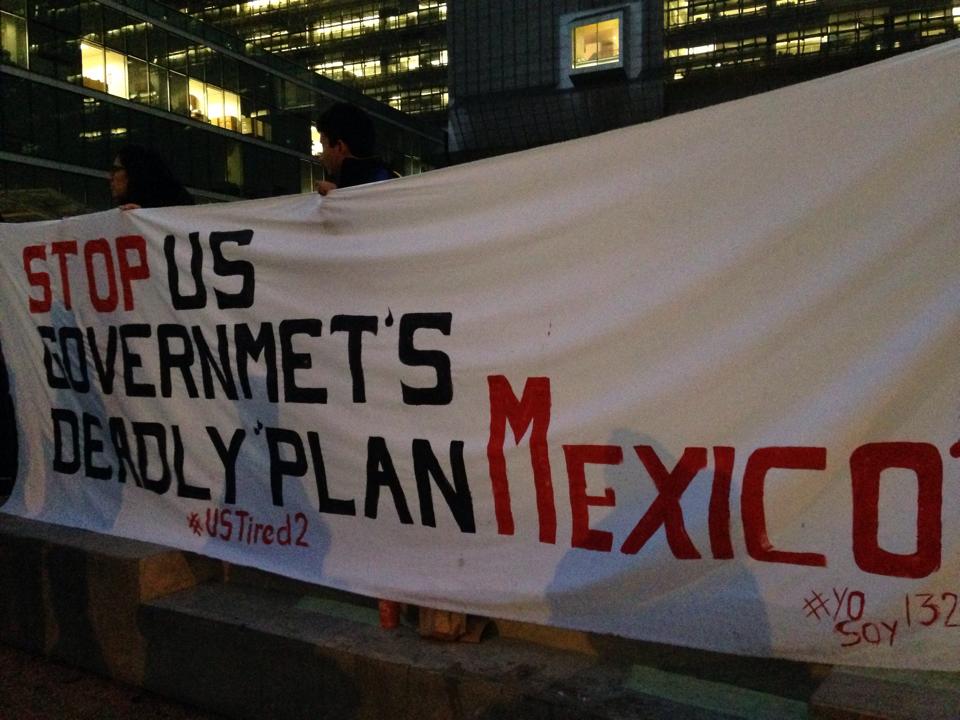
While Peña Nieto and Obama will discuss plans to fortify the bilateral security agenda, which to this date has caused over 100,000 deaths and 24,000 disappearances in Mexico in the last 8 years, citizens of both countries are demonstrating that a transnational organized effort to push for and achieve justice is not only possible, but well under way.
Honduras has been rated by the United Nations Office on Drugs and Crime (UNODC) as the country with the highest homicide rate in the world from 2010 until 2012, when the most recent report was issued.1 From 2005 to 2013, the number of violent deaths of women rose by 263.4%. This violence is the result of multiple factors, including high levels of economic inequity and inequality, poverty, corruption, militarization, and an ever increasing presence of organized crime and drug trafficking, all of which has a strong negative impact on the human rights of the population, and on the lives of women in particular.
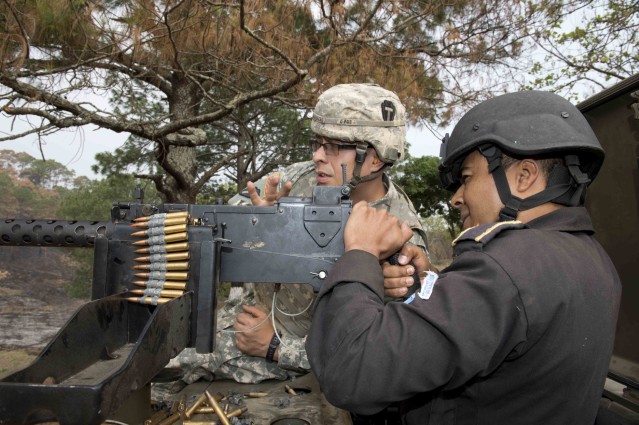
When violence is attacked with violence, women become both victims and defenders. They are disproportionately and differently affected by violence, violation of human rights and the erosion of community. Yet Mesoamerican and the U.S. governments continue to fund militarist enforcement policies framed as counternarcotics or anti-terrorism that arm and train men to patrol and control the population that put women at great risk.
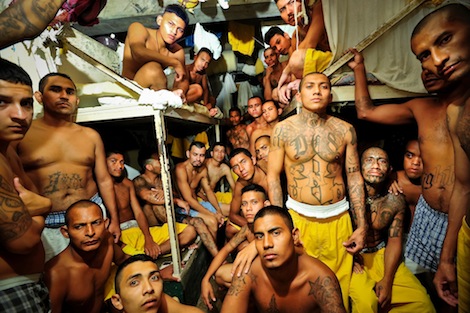
With homicides on the rise again, truce facilitators say support and funding is needed to reduce violence in the Central American nation.
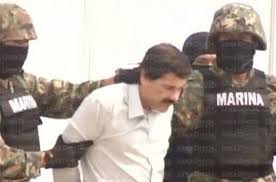
The capture of Mexico’s most-wanted drug lord, Joaquín Guzman Loera “El Chapo” is a major victory for the U.S.-Mexican drug war. But will it reduce or increase the violence that plagues the country?