Once the US’s “Good Friend” in Honduras; Now on Trial for Drug Trafficking
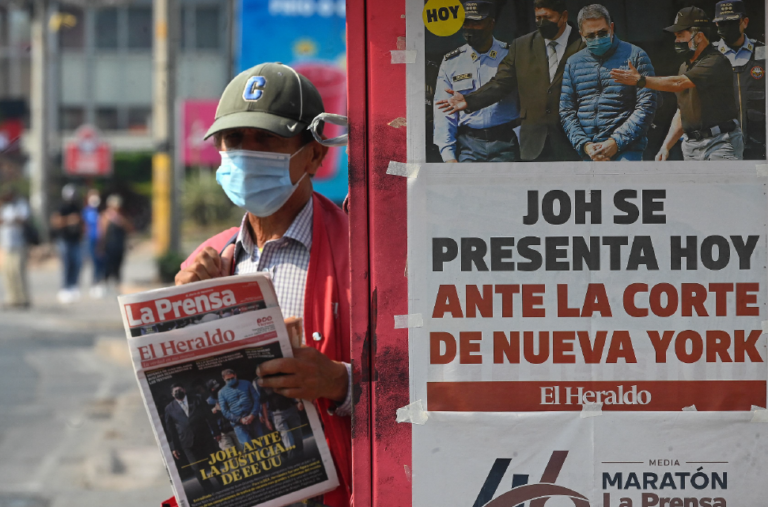
The trial of Juan Orlando Hernández, once the seemingly untouchable and authoritarian president of Honduras, is officially set to begin on February 12 in New York.
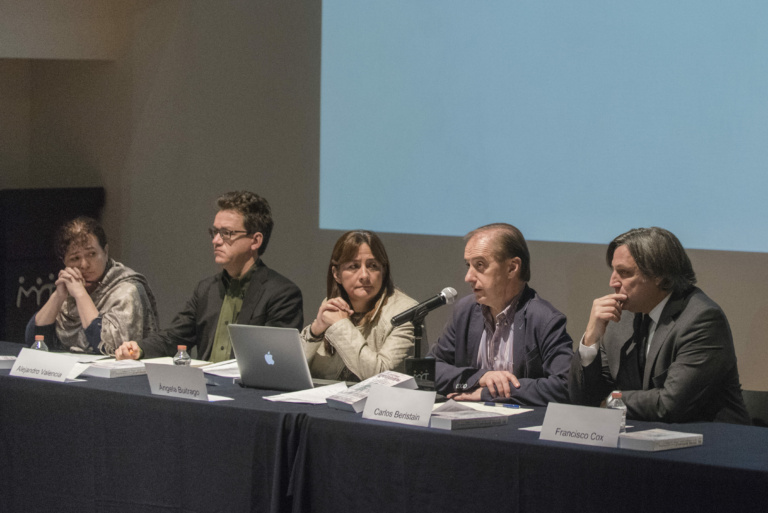
“We are concerned about the family members, the impact of this tragedy, their state of health. The reparation of damage must be given to avoid re-victimization and stigmatization. For our part, we kept the investigation even when the crisis came in September 2022. But the refusal to provide information and the stubbornness weakened the investigation”, concluded Angela Buitrago.
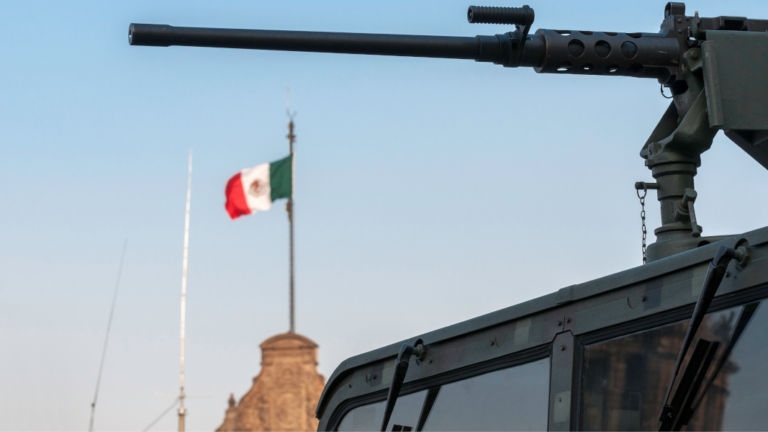
Militarization, now institutionalized in the Constitution and in practice, extended for the next six years and quite possibly forever, is not just the latest bone of contention between political parties. It is an issue that has profound implications for Mexican society, democracy, security, gender equality and human rights. It has to be analyzed within the framework of these considerations, beyond the false and hypocritical positions of the political parties.
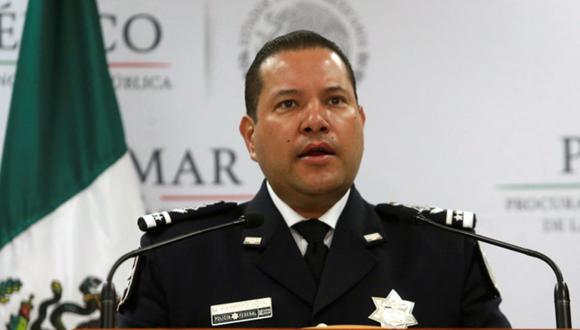
The news that the Mexican government had shut down operations of the elite DEA team in the country – the Special Investigations Unit (SIU) – provoked an avalanche of articles in the press, most of them defending the DEA in order to criticize the president. Hardly any of them spoke about the disastrous history of the Unit, much less about the perverse history and actions of the DEA in Mexico –and in all of Latin America. The agency has left a bloody trail of failures, incompliance with regulations, complicities and corruption in its mission to export the war on drugs as an instrument of social control and U.S. hegemony.
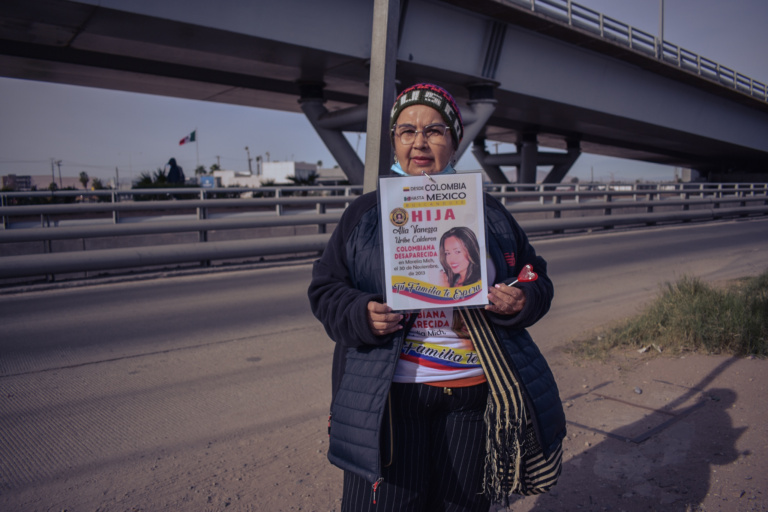
“The eyes don’t lie” repeats Ruth, a Salvadoran woman looking for her son in the city of Tijuana. She holds a large photograph of son Rafael, as two homeless men on the street watch her closely, searching their memories for a recollection of the face of the disappeared son. “He might have changed over the years, but the eyes don’t lie,” says the mother.
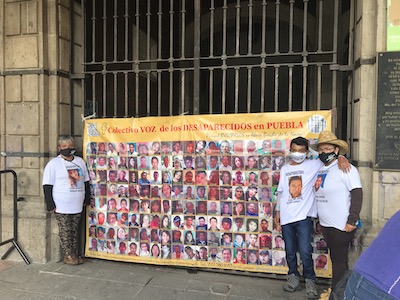
The brigades have unearthed hundreds of human remains and clues to the whereabouts of their loved ones, disappeared throughout Mexico. Their goal is to find them and return them to their families, and that in a context where the state and a large part of society have buried their very existence.
If this announcement, like previous ones, is merely a way of marking rhetorical distance from the U.S. government without charting a completely different and sovereign national security policy, we´ll be where we started–with uncontrolled violence in many parts of the country.
The involvement of drug cartel operatives in the illegal trade of critically endangered totoaba and vaquita porpoise bycatch has eclipsed efforts to enforce a five-year-long ban on gillnets, provoking foreign sanctions on the village’s all important seafood exports.
If any country on earth should be breathing a huge sigh of relief about now, it’s Mexico. Four years of bashing, bullying, trade threats and white supremacist machinations now ends with the ignominious exit of Donald J. Trump.
In its fifteenth year, the Caravan of Central American mothers brought together six families. In total, the caravan has chalked up 315 reunions. Along the way it empowers women and challenges a system that considers their loved ones expendable.