
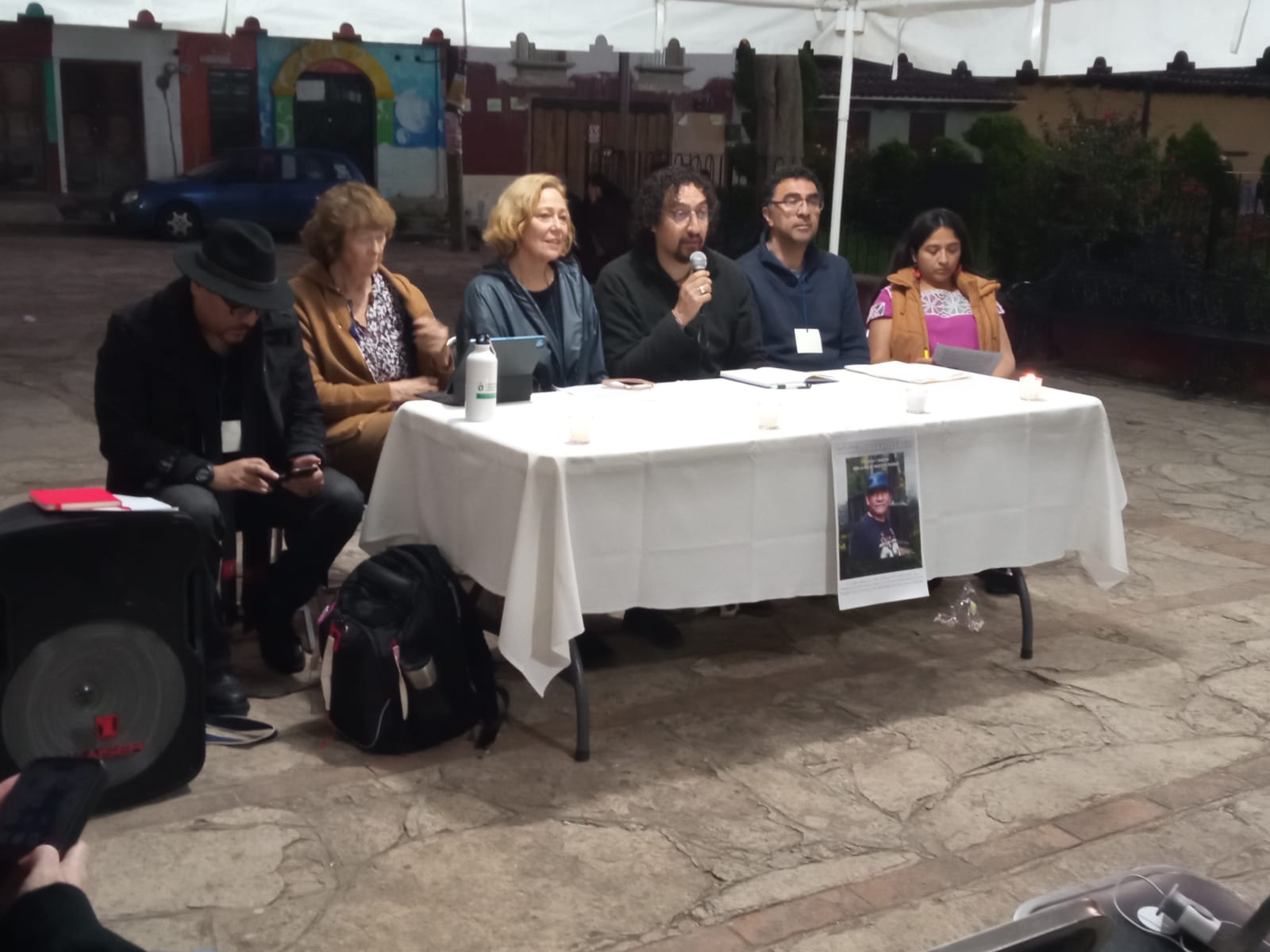
NOTE: The following text is the written version of the author’s presentation at the press conference of the Platform for Peacebuilding in Mexico, held during its 4th Meeting on October 28, 2025. During the meeting, we discussed the many forms of violence in Mexico, particularly in the state of Chiapas, its causes, and efforts to build the peace we want. This text focuses on aspects of feminist international relations that are central to the work of our think tank, Mira Feminisms y Democracies—regional and international contexts, the foreign policy of the current U.S. administration, and capitalism and patriarchy as generators of conflict and violence. It also reflects on the prospects for peacebuilding in Mexico and Latin America.
We believe that the events of recent weeks have given even more weight to these warnings. The invasion of Venezuela on January 3, 2026, the National Security Strategy presented at the end of November with the Trump Corollary to the Monroe Doctrine claiming the entire continent as its own, and the intensified threats from the U.S. government against Mexico, Colombia, and other countries reflect the danger of the moment we are living in. We are deeply grateful to our partner organizations for the opportunity to work together in the Platform and other spaces to confront this danger with creativity, commitment, and hope.
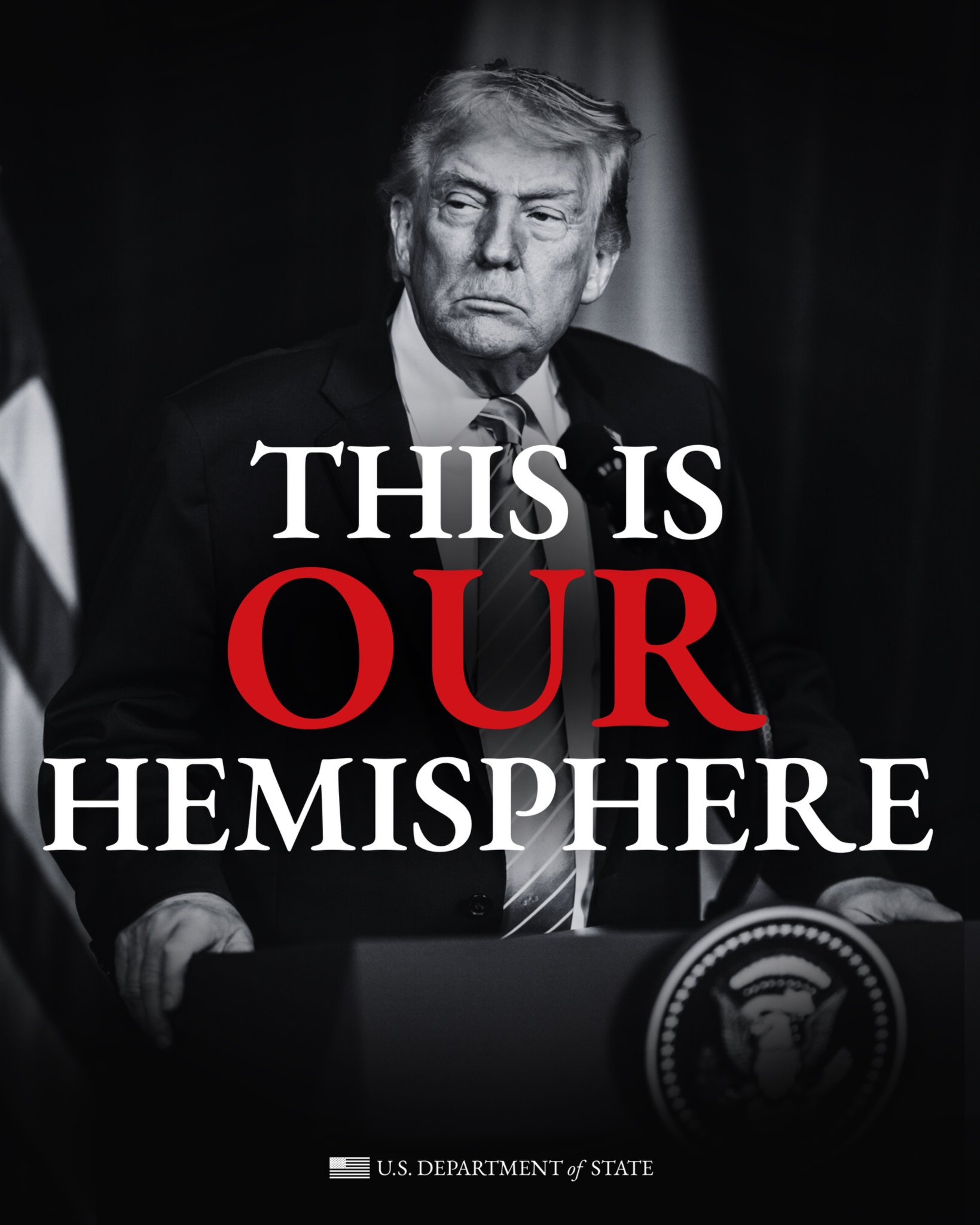
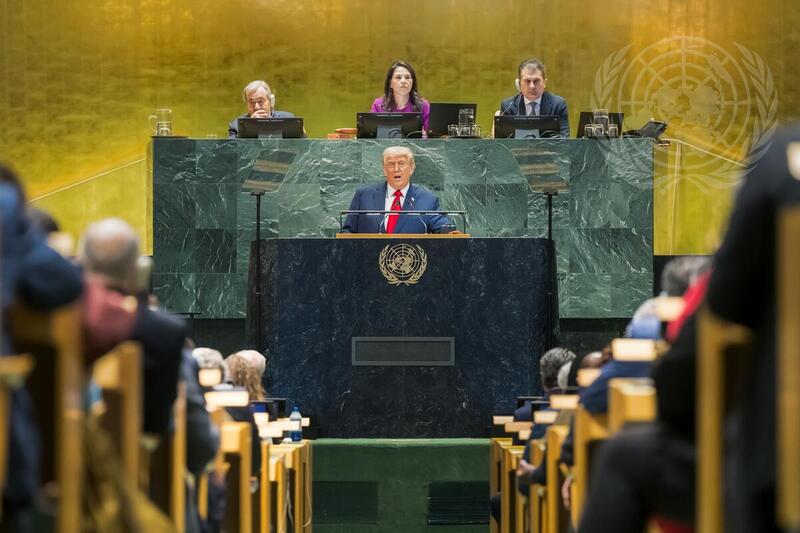
We have entered a new era in this first year of Donald Trump’s second term. In this context, three aspects of President Trump’s foreign policy stand out that directly affect Mexico, generating violence, and posing major obstacles to achieving peace in the nation and here in Chiapas: the war on drugs (again), the patriarchal model, and extractive capitalism. While these have always been structural causes of violence emanating from the dominant capitalist system, they are now reinforced by Trump’s current policies.
The renewed war on drugs
Across the continent, the Trump administration is repositioning the “war on drugs” as a pretext for political and military interventions. Almost two decades after the imposition of this U.S.-designed model in Mexico, the results have been an unprecedented surge in general and femicidal violence, disappearances, a high human and economic cost, the uncontrolled flow of weapons into the country from the U.S., and increased militarization, corruption, and complicity. These dynamics have caused the erosion of social and community fabric and a reinforcement of patriarchal forms of domination of women, children and LBTBQ+ persons.
One of the promises of the Fourth Transformation’s electoral platform was to end the model of militarized war against the cartels, but we are currently witnessing an increase in militarization and a reaffirmation of the strategy of combating criminal violence with state violence. in a context in which criminality permeates the structures of both forces, the violence generated by the model cuts across society with profound impacts on daily life.
Now the pressures to intensify this disastrous strategy have increased. The Trump administration is using the threat of tariffs to force the Mexican government to adopt the war model that has so damaged our country, and is threatening to invade Mexico if it does not. The current U.S. government openly justifies its extrajudicial executions in the Caribbean and the Pacific by calling the cartels “terrorist groups,” suspending basic rights and empowering the armed forces, with an emboldened and enriched Pentagon in the lead. New narratives have built up a non-existent external enemy (“narcoterrorism”) to promote the war industry and avoid acknowledging serious internal problems and contradictions. The whole scheme carries enormous benefits for oligarchical elites and imperialist interests as public spending on arms rises and the U.S. government paves the way for transnational corporations to take greater control of natural resources in other countries.
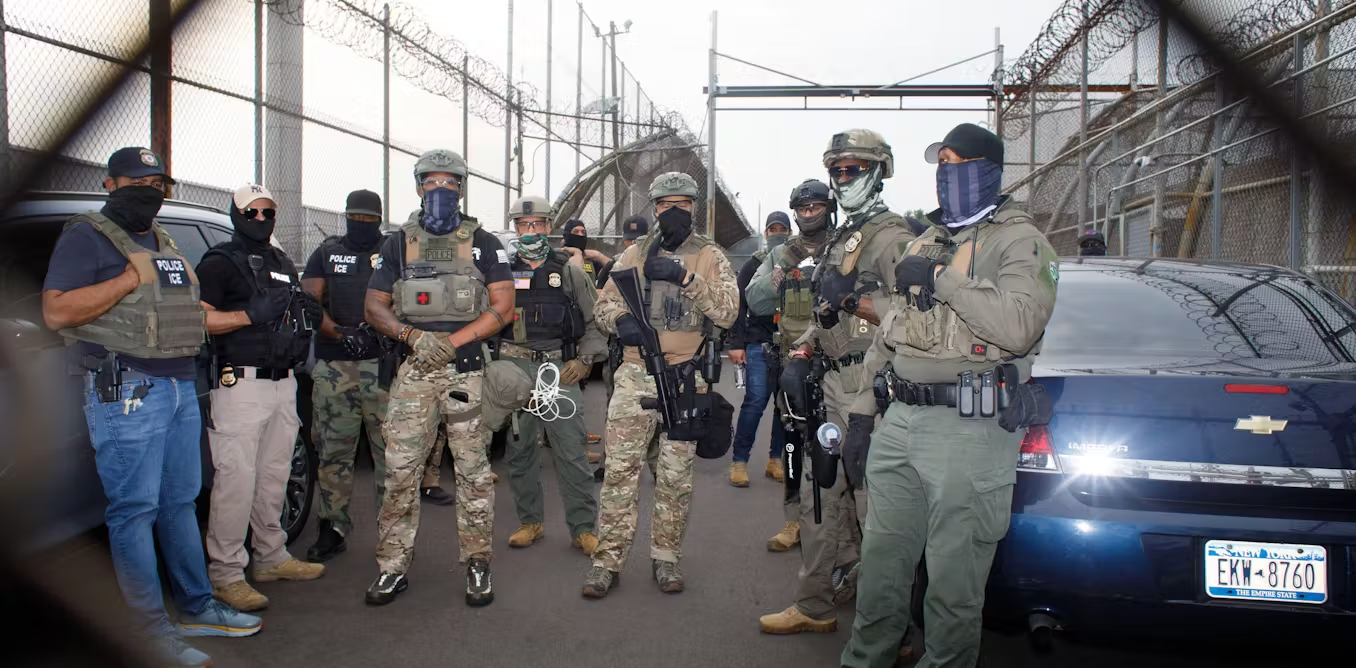
We see the same logic of the external enemy in domestic policy in the hypercriminalization of migration. Anti-immigrant measures in the U.S., policies also imposed in Mexico, set up a threatening “other” and end up promoting organized crime by strengthening illegal markets in human trafficking, extortion, and kidnapping. Mexico’s southern border has been erected as a wall for the U.S., converting it into a zone of dispute and conflict, as we’ve seen for years on the northern border.
Criminalizing migration, which is an international right, turns human beings into commodities and encourages forced recruitment, which is modern slavery. In this context, 40 migrants disappeared on the coast between Chiapas and Oaxaca on December 21 last year, with total impunity to date. Once again it’s the mothers who have had to organize to search, as the government stands by pretending there is no problem.
In short, the war on drugs has become the centerpiece of the U.S.’s interventionist foreign policy. This war is false and hypocritical and its purpose is not to be won but to perpetuate conflict, create permanent instability and reorganize illicit black-market profits among new elites and reconfigured alliances.
The reinforced patriarchal model
The patriarchal model centers on the figure of the father, who traditionally assumes the role of decision-maker and authority figure and exercises social and economic control over women and children. His domination over others is based on superior physical strength, which in practice is often imposed through the use of violence, and supported by a vast structure of social norms and prejudices that maintain male privilege.
This form of social organization promotes anti-values such as competition over cooperation, rigid hierarchical systems over equality, discipline without critical thinking, and the principle of “might makes right”—the domination of the “strong” over the “weak.” It reinforces misogyny, discrimination, and racism in expressions reflected in culture, politics, social organization and physical violence.
_________________________________________________________________________________________
By denying women’s leadership, glorifying violence and dismissing dialogue, patriarchy is one of the foremost obstacles to peace.
_________________________________________________________________________________________
The reaffirmation of patriarchy is a pillar of the extreme right and of Donald Trump’s discourse and politics. It is evident in the far right’s measures to eliminate women’s hard-won rights over their bodies, including abortion and the prevention of unwanted pregnancies, and in its attacks on anti-discrimination programs. Participation of women in the public sphere is being closed off, and discourse actively devalues a series of characteristics socially considered “feminine”, such as mediation and negotiation, flexibility and tolerance, and community over the individual. It’s important to note that these social concepts have been largely preserved in indigenous communities–another reason why Indigenous Peoples are targeted by the extreme right.
Following the patriarchal model, security prioritizes the use of force over diplomacy, the annihilation of the enemy, and punitive and coercive measures over dialogue and diagnosis of causes. In most places, it is women who lead local efforts to build peace and repair the social fabric. By denying women’s leadership, glorifying violence and dismissing dialogue, patriarchy is one of the foremost obstacles to peace.
Mexico now has a woman president who has spoken out against some of these policies, but as a country and as a society, we still have a long way to go to take a different stance—in defense of equality and rejecting machismo as a form of domination. To break with patriarchy, it is also urgent to defend our sovereignty and our right to define our own policies, especially in the face of the Trump administration. So far, this defense has been timid at best.
The intensification of extractive capitalism
Capitalism must constantly expand and at this stage intensified extractivism is one way to do it. The capitalist agenda proposes to remove all state regulations that limit private investment and profit-taking, and topple all states that favor such regulation or nationalize resources in order to open everything up to large transnational corporations. Part of the strategy is to eliminate and violate the rights of Indigenous Peoples, ejidos, the environment and nature, and workers.
Through the capitalist lens, these rights are obstacles to be overcome. The land and its resources are there for them to get richer—they want 100% access for mining, oil, water, and energy exploitation. They don’t recognize global warming because the survival of the planet is not a priority, nor is the survival of human and non-human populations that don’t further their interests. What matters are their profits. Corruption, militarization to evict and exclude, and injustice are their tools and allies.
This isn’t a new situation, but this stage has some new characteristics. Under Trump, the capitalist oligarchy centered in the U.S.—the super-rich—now exercises the power of the state, the most powerful capitalist state in the world, and does so on a global level. The use of U.S. military force, the intensification of these practices, and the resulting inequities and inequalities generate constant conflict.
Three political aspects of this stage are clear: First, the US government’s open break with the rule of law, human rights, and democratic frameworks. This break puts us in unknown terrain for peace efforts–we´re walking through a minefield requiring ever more complex and risky strategies.
The second is the battle for the narrative. While denying democracy means acting without requiring the formal consent of the majority of the people, authoritarian forces still must contest the narrative to avoid rebellion. The extreme has developed a sophisticated machinery to do this.
The third is the open repression we see with the deployment of the National Guard in U.S. cities and the role of the military abroad.

Building peace must begin by rejecting and breaking the logics that generate violence and its expressions. It starts by understanding that this is not about an external enemy, but rather the interplay of social phenomena. We must end prohibitionism, because it creates illicit markets for drugs and human trafficking and criminalizes rather than protects problematic users.
It means building peace out of the lived experience and full participation of citizens, not measures imposed from above. And it means holding on to the vision–the dreams and the practices–that build real, lasting peace with justice.
Laura Carlsen is director of the feminist center for international relations studies Mira Feminismos y Democracias, based in Mexico City. She is a political analyst, commentator, and journalist specializing in regional relations, U.S. politics, social movements, and gender justice. She hosts the weekly TV show on feminist international relations, Hecho En América.