The Border’s COVID-19 Pandemic: Crisis Upon Crisis
Ciudad Juarez has a long history of crises–foreign invasions, revolutions, economic recessions tied to the United States, the 9-11 border constriction and transnational gangland […]
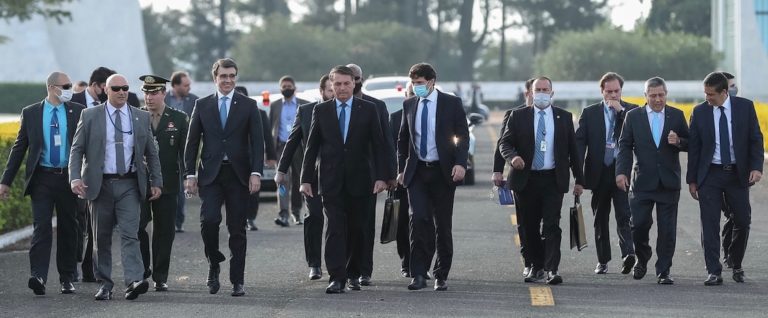
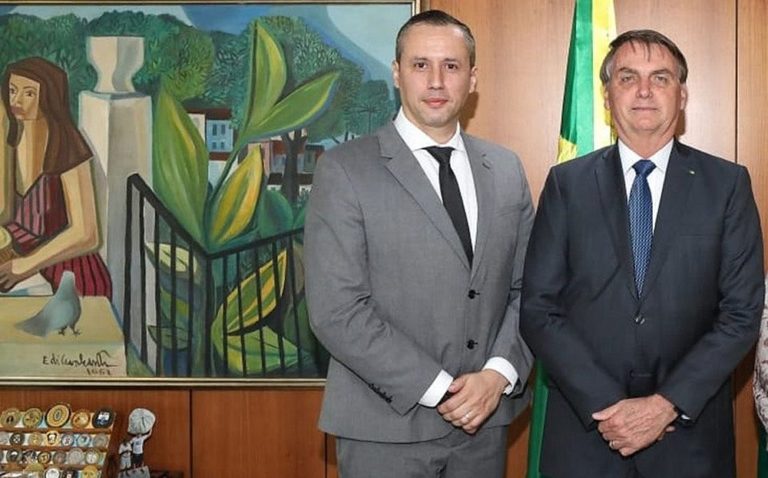
Bolsonaro has isolated himself internationally. With approval ratings in free fall, the Brazilian president has increasingly moved to the far right.
After six days of fighting for his life in an intensive care unit in a Amazonas state hospital, a 15-year-old Yanomami teenage boy died in April 9 from complications caused by the coronavirus. The boy’s death sounded the alarm for Brazil’s Indigenous peoples who now face the fear of the virus alongside the stress of increasing criminal activities and government policies.
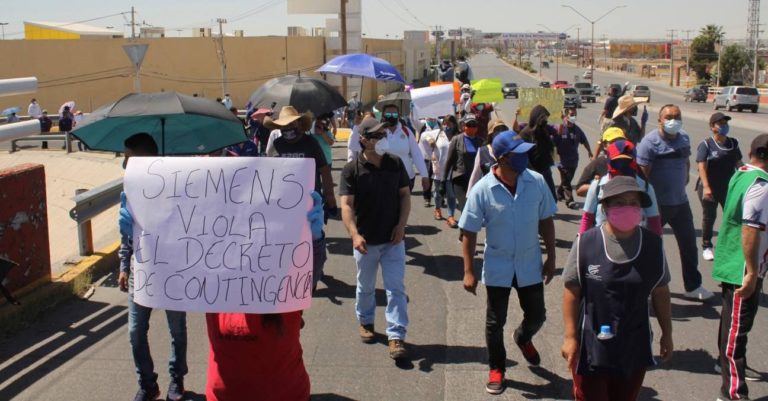
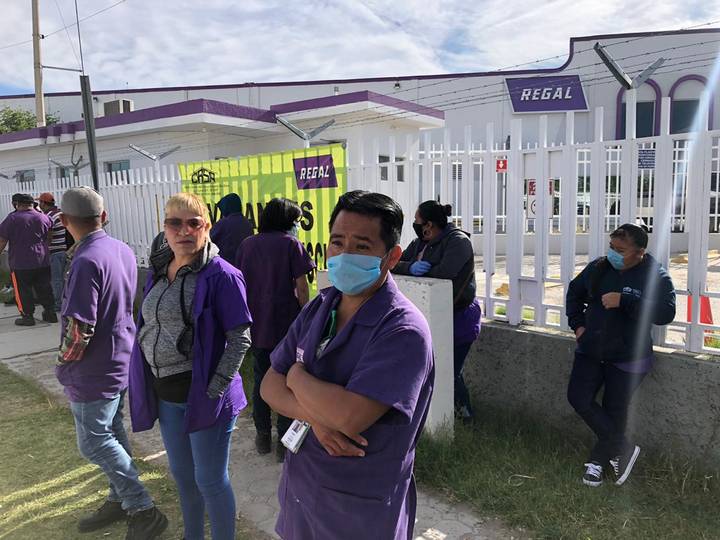
As the COVID-19 coronavirus began walloping Mexico, wildcat strikes by assembly plant workers concerned about their health and their futures rippled across the country during March and April.
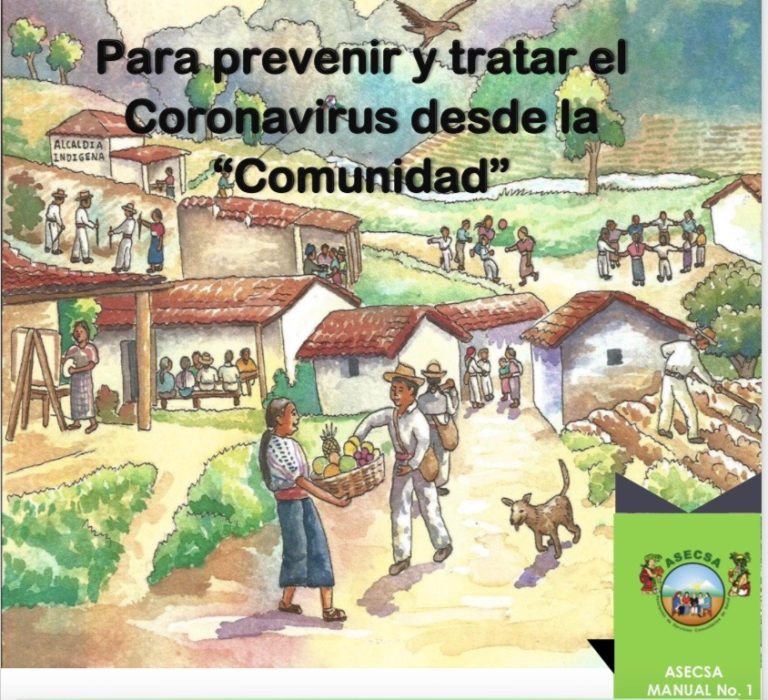
With the arrival of the coronavirus pandemic in Latin America, indigenous peoples and communities face the challenges that this disease brings. Faced with government neglect, the absence of social investment in their regions and the lack of access to regional or national hospitals, indigenous people have a serious disadvantage, but our own ancestral knowledge provides forms of protection.
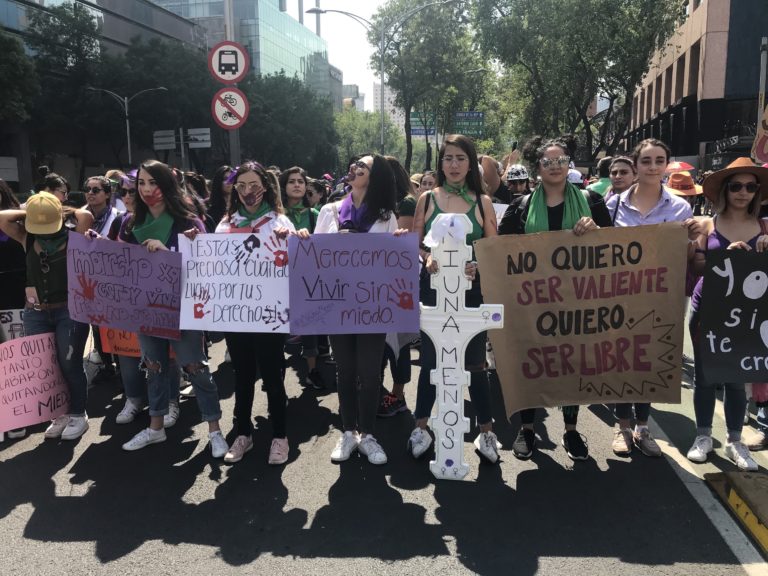
It was the largest and the boldest Women’s Day march in the history of Mexico City. Tens of thousands of women pulsed through the downtown streets, a river of violet mirrored by the jacaranda trees in full spring bloom. Women of all ages, sectors, classes, barrios, schools and political and sexual orientation marched; they filled the streets with their bodies and their cries.
Just a few months into the year and the Bolsonaro government is up to it neck in scandals that have stymied its ambitious plans to reshape Brazil’s culture and impose a new conservative ideology based on nationalism, religious fundamentalism and militarism.
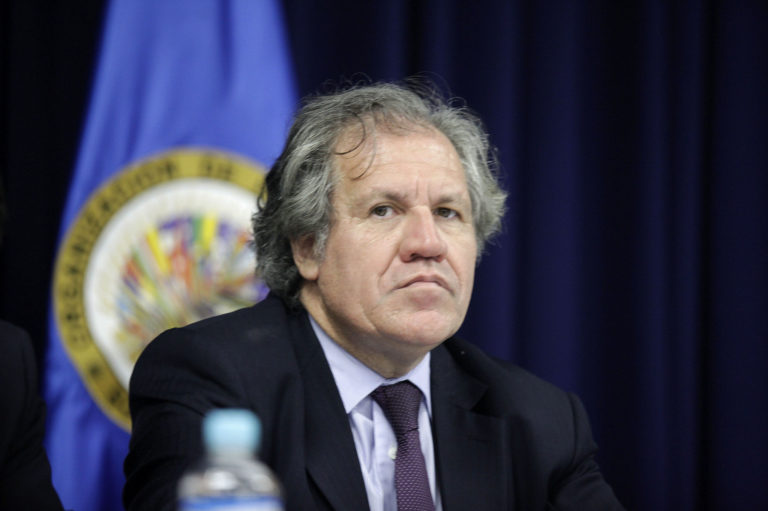
An in-depth analysis of the actions of the Organization of American States reveals a disturbing political bias, a willingness to manipulate events and data for political purposes, and a pattern of double standards under the leadership of Secretary General Luis Almagro. In favoring rightwing governments and forces, while attacking or attempting to eliminate the left in power, Almagro has marked a course that has eroded the regional organization’s legitimacy in two critical areas of OAS operations: election observation and human rights monitoring
In its fifteenth year, the Caravan of Central American mothers brought together six families. In total, the caravan has chalked up 315 reunions. Along the way it empowers women and challenges a system that considers their loved ones expendable.
On August 31, 2018, Guatemalan President Jimmy Morales, a comedian by profession, accompanied by his cabinet and the high command of the army, convened a press conference where he unilaterally announced that he would not renew the mandate of the International Commission against Impunity in Guatemala (CICIG). The CICIG no longer functions, but it has left a powerful legacy.