Category: Land

Women Raise Banner of Women’s Rights in Honduran Popular Movement

March 21, 2013

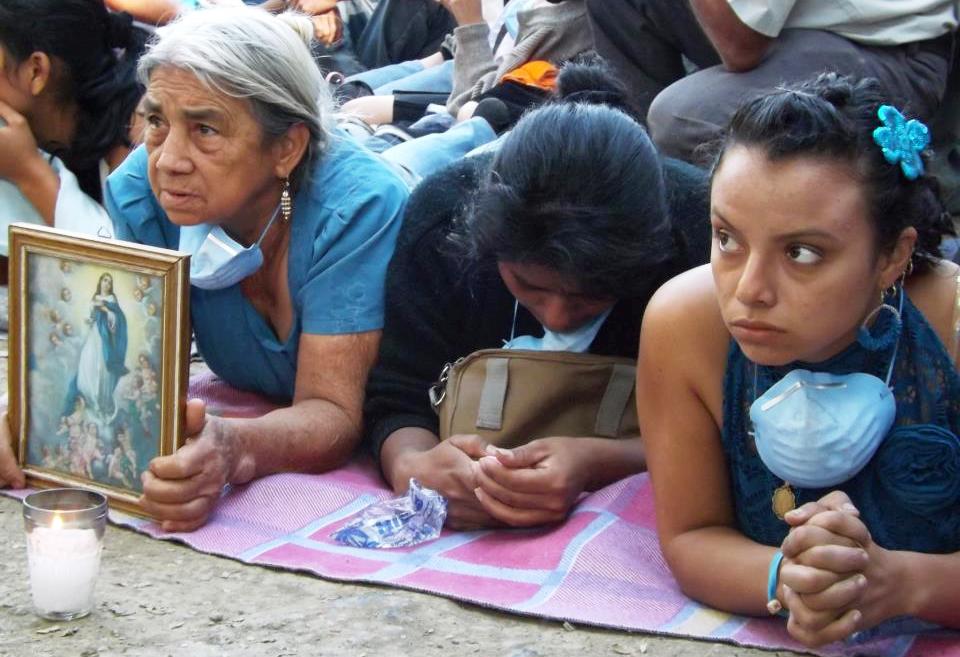
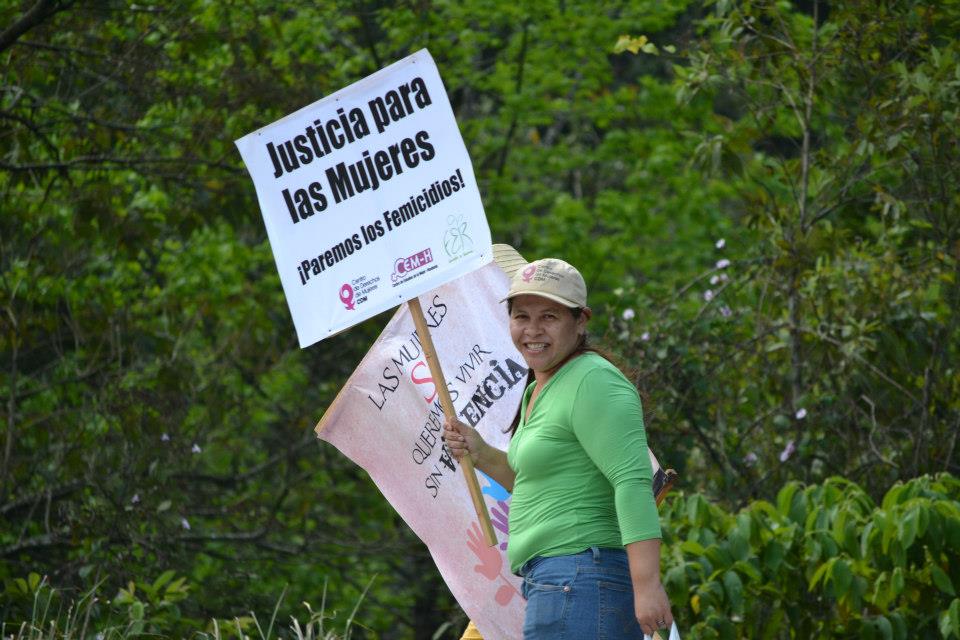
They set out on February 25, from different parts of a country torn apart. In silent defiance, they entered the capital city of Tegucigalpa on March 6. On International Women’s Day they made their demands of a government that has trampled their rights and brought bloodshed across the nation since the rule of law was shattered three and half years ago.

Community Organization Against Wind Farms in Oaxaca

March 12, 2013

The real strength of the villages that are fighting against expropriation of their lands for expansion of wind farms in Oaxaca lies in their traditional system of community assemblies. The assembly decided to reject the Mareña Renovables project and a proposed government consultation on it for failing to respect their rights as indigenous peoples.

Caminando con esperanza

March 9, 2013

Durante diez días hombres y mujeres de diferentes lugares caminaron en un recorrido de muchos kilómetros hacia la capital de Honduras. Paso a paso por la Dignidad y Soberanía Nacional y nada más cierto que eso, ya que los y las caminantes exigen la Derogación de la Ley “Regímenes Especiales de Desarrollo”, la liberación del compañero campesino Chavelo Morales, la derogación de la Ley de Minería y la cancelación de licencias ambientales que privatizan el agua, la energía y los recursos naturales. En el centro de la caminata estuvieron las mujeres.

Canada’s Idle No More Indigenous Movement Sets Stage for Latin American Involvement

March 9, 2013

Idle No More (INM), started in late 2012 as an aboriginal movement to block regressive legislation threatening indigenous, territorial and treaty claims in Canada, has quickly become a worldwide vehicle for indigenous peoples’ rights and environmental complaints. By early 2013 It has attracted significant attention from Latin American quarters.

Lead Poisoning Underscores Mexico’s Need to Hasten Toxic Waste Inventory

December 13, 2012

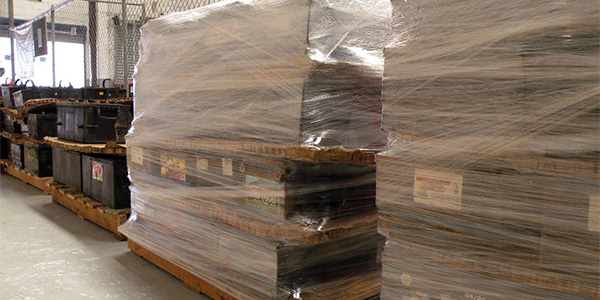
It was 35 years ago when Amexco S.A. de C.V. began its infamous illegal dumping of lead-contaminated residues in Tijuana – 30,000 m3 of slag imported from California under what the Mexican government deemed the false pretext of car-battery recycling. By the time Mexico’s federal environmental prosecutor analyzed remediation options in 1996, the U.S. corporation Alco Pacifico Inc. had acquired the liability. Mexican law mandated the return of the hazardous waste to its country of origin.

Ismael and Manuelita Died in Defense of Three Basic Rights

December 12, 2012

The three most threatened human rights on the planet today are the right to water, the right to a healthy environment, and the right to food. In Chihuahua these are ever-growing threats that have claimed two victims already. Ismael Osorio and Manuelita Solis, his wife, were murdered near Ciudad Cuauhtémoc on Oct. 23 while they defended these rights.

Killing the Messenger: Attacks Rise on Women Human Rights Defenders

December 10, 2012

Juventina Villa knew her days were numbered. A leader of an environmental organization in the mountains of Guerrero, Mexico, she and other activists have been in the crosshairs of organized crime and government forces for years. With the 16 Days of Activism against Gender Violence come to an end on Dec. 10, International Human Rights Day, organizations of women throughout the world are calling for more protection for women human rights defenders and justice for those who have been assassinated. In most cases, the crimes against them have not been punished.

Monsanto’s bile against Mexico’s honey

November 1, 2012

Monsanto’s bitter seeds have given another blow to the Mexican honeycreepers that had previously succeeded in stopping short the transnational corporation’s plan to plant 253,000 acres of transgenic soybeans in the Yucatan Peninsula that would have jeopardized beekeeping in the region, the main livelihood more than 25,000 families.

The Fight for Corn

October 25, 2012

In an era of food crisis, the fight for corn has intensified, and the importance of this grain – a staple of the diet of Mexico and a large part of the world – has been revealed to the fullest extent. The scenario we are faced with is a battle between a culture that revolves around the material and symbolic production of corn, as well as the cultural, social, and historical value placed upon this crop by humankind, and the network of commercial and political interests that sees this prodigious crop simply as another way to increase power and profit by means of plundering its native lands.

Yaqui Resistance: Against the Aqueduct, Agricultural Chemicals and Transgenics Crops on their Ancestral Lands

October 23, 2012

According to tribal leaders, the economic, ecological, and social stability of the Yaqui tribe is being threatened by the construction of the Sonora Sí (Sonora Yes!) project that is being imposed within its territory with the backing of the state government. “The aqueduct is an unfair, illegal project, supported by the federal government,” says Juan Piña, Yaqui tribal governor, expressing his concern about the situation in the country and especially in the state of Sonora.