The Genetic Memory of Corn and Cultures
May 4, 2015
In Mexico a judicial process is beginning to decide whether genetically modified corn will be widely planted here in the center of origin of corn. There is every reason against permitting this.

In Mexico a judicial process is beginning to decide whether genetically modified corn will be widely planted here in the center of origin of corn. There is every reason against permitting this.
The Stockholm International Peace Research Institute (SIPRI) has released its annual assessment of the global arms trade, and the United States once again has the dubious distinction on coming in at the number-one spot.
The ruling party (PRI) and its allies, the National Action Party (PAN), the Partido Verde and New Alliance, lost a battle when the General Water Law to privatize Mexico’s water resources was shelved in the Chamber of Deputies. Grassroots mobilization played a key role in the victory.
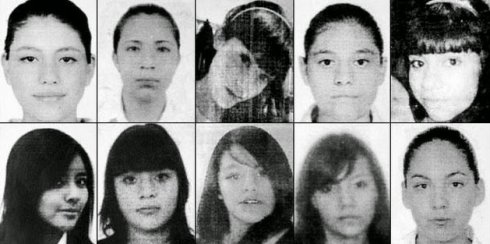
As the demand for justice for the 43 disappeared Ayotzinapa students continues in streets worldwide, the epidemic of violence against women grows and justice for its victims remains relegated to a labyrinth of impunity, inefficiency and government indifference.
If Obama wants to decouple immigration and border policies from counterterrorism and security policies, dismantling DHS may be the only way.
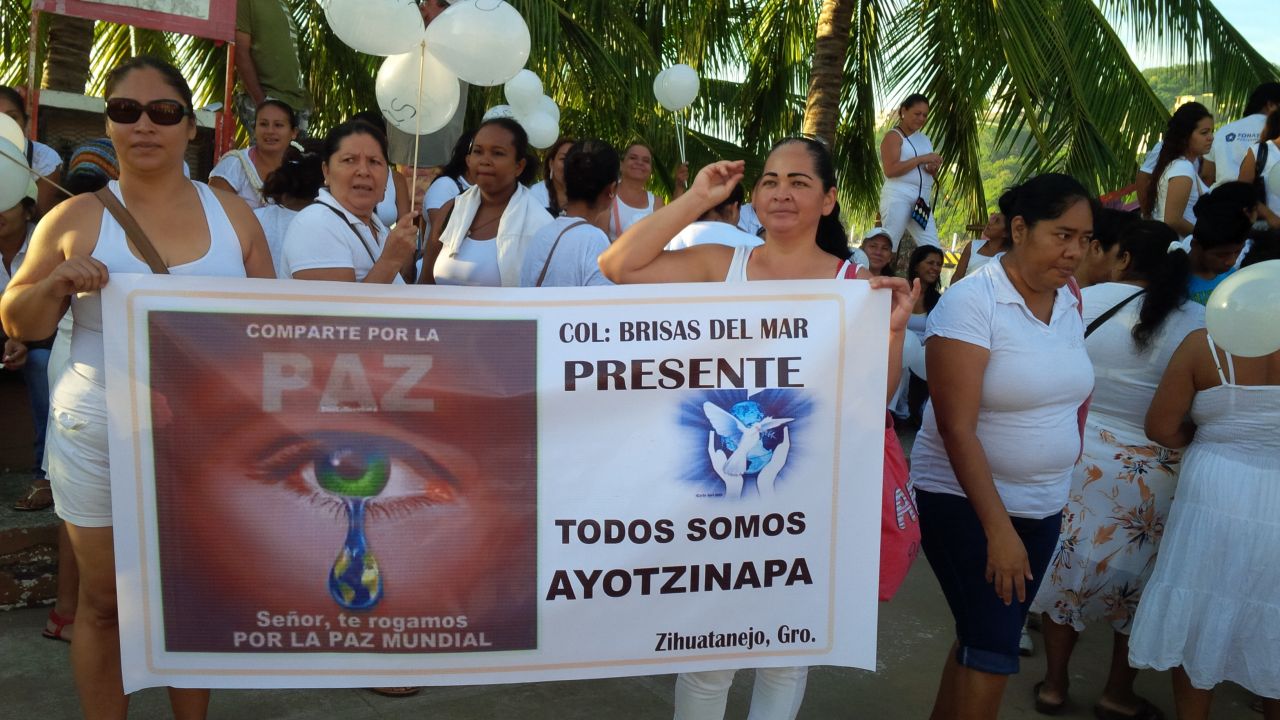
At the entrance to city hall in Zihuatanejo, Mexico, banners drape the fence and the shuttered gate. One message reads: “43 students still missing and something of us disappeared with them. Justice for Ayotizinapa.”
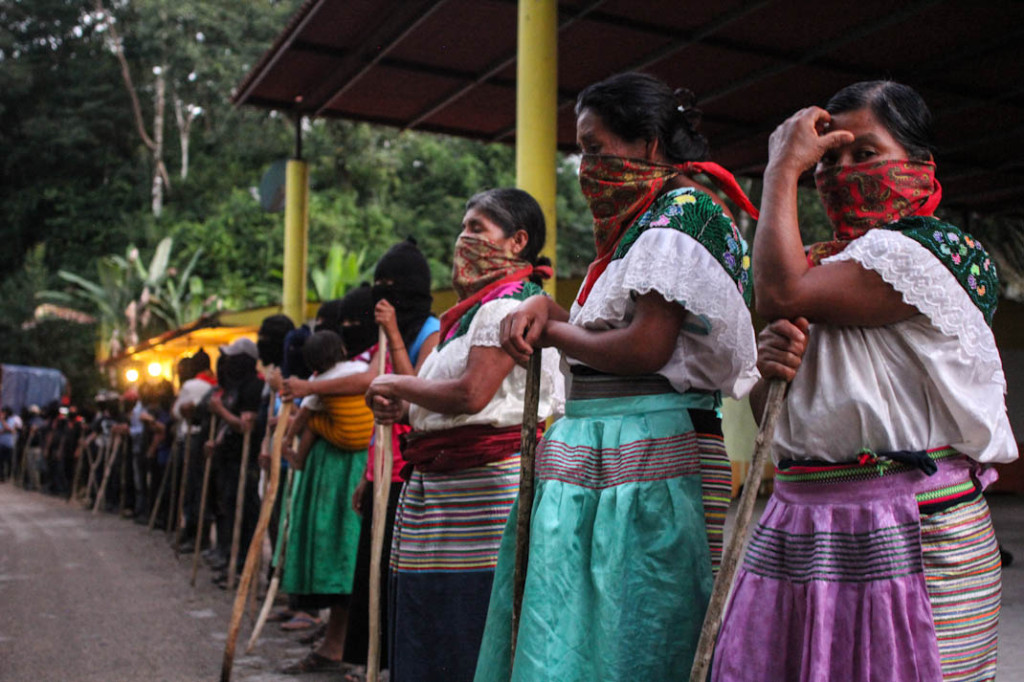
The masked representative of San Sebastián Bachajón, Chiapas, described how residents of this Tzeltal indigenous community reclaimed the entrance to the Aguas Azules waterfalls on Dec. 21, 2014. Although the government once again controls the Aguas Azules tollbooth, the resolve of the movement for local autonomy has not flagged after more than seven years of struggle.
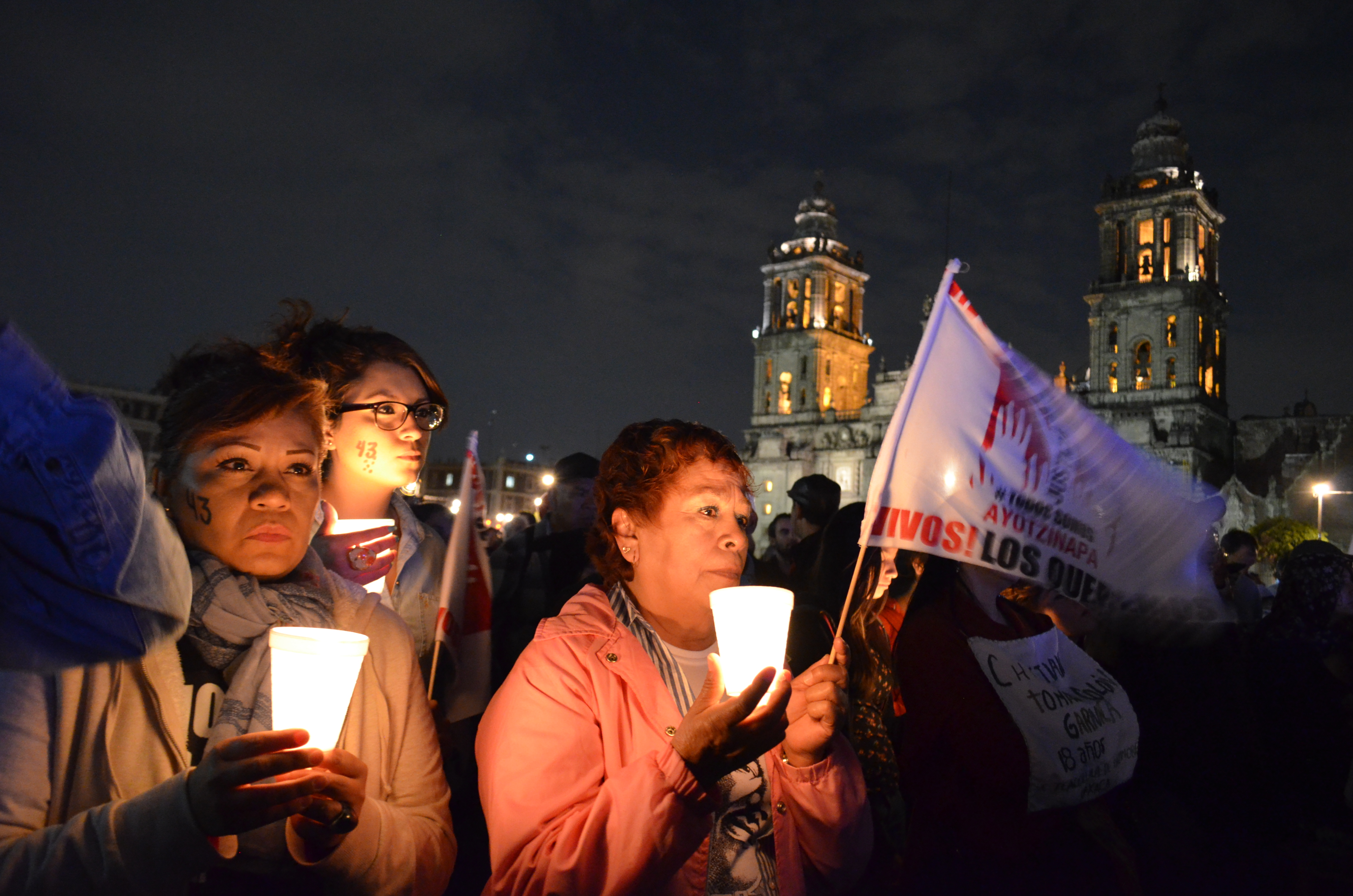
On January 26, for the eighth time since the fateful September 26, tens of thousands of people from various sectors marched through the streets of the capital with a two-pronged demand: to bring back alive the 43 disappeared students of Ayotzinapa and to transform national public life.
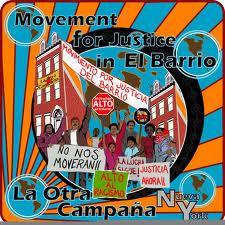
Ten years ago, in East Harlem, New York, an area known as El Barrio, members of fifteen Mexican immigrant families, all of them women, came together to see how they could achieve dignified housing in their community. They were struggling against gentrification and displacement; their landlord was trying to force them out of their homes in order to attract wealthier tenants and transform the neighbourhood they lived in. These were people without previous experience of organising, and they knew that they had much to learn, but they listened to and supported each other and in December 2004 they formed Movement for Justice in El Barrio (Movement).
NOTE: This article is the twelfth in a series by the CIP TransBorder Project that examines the water crisis on the U.S.-Mexico border. “I think […]