How much is the life of a migrant worth?
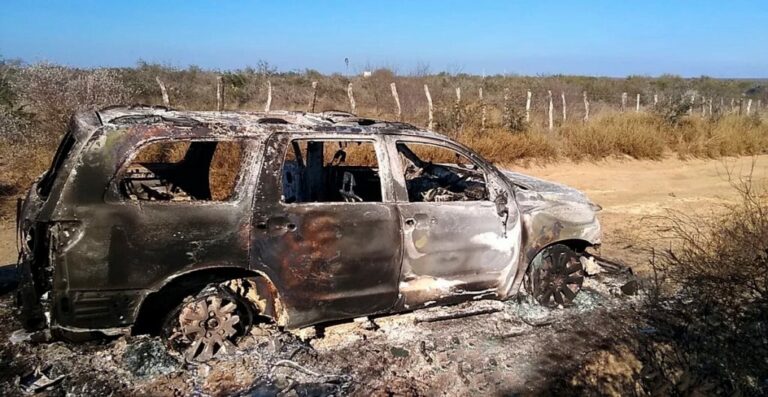
The scene is tragic and horrifying. Two burnt out vehicles containing 19 bodies, one of them riddled by 113 bullets, along the hellish slice of borderland in Tamaulipas, near the Nuevo León and Texas.

If any country on earth should be breathing a huge sigh of relief about now, it’s Mexico. Four years of bashing, bullying, trade threats and white supremacist machinations now ends with the ignominious exit of Donald J. Trump.
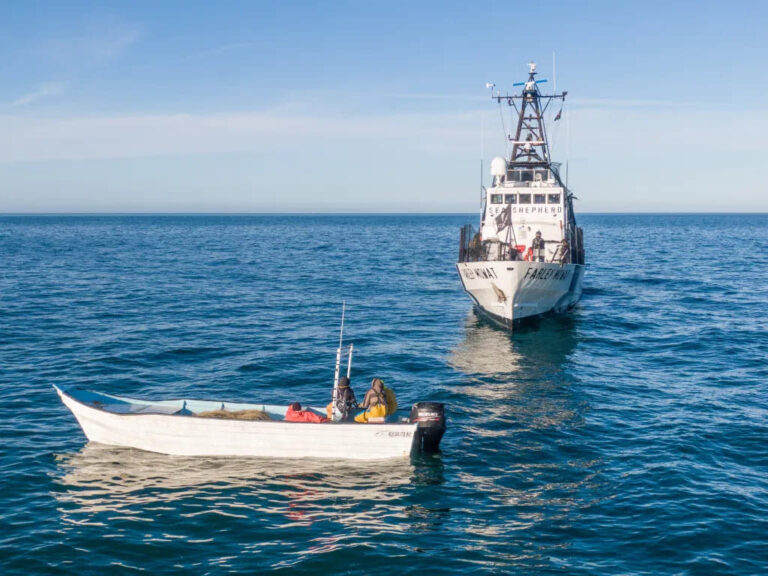
The long-running global struggle to prevent extinction of the world’s most endangered marine mammal claimed its first human life in Baja California on Jan. 2, in the conflict between illegal fishing and conservation of the vaquita porpoise.
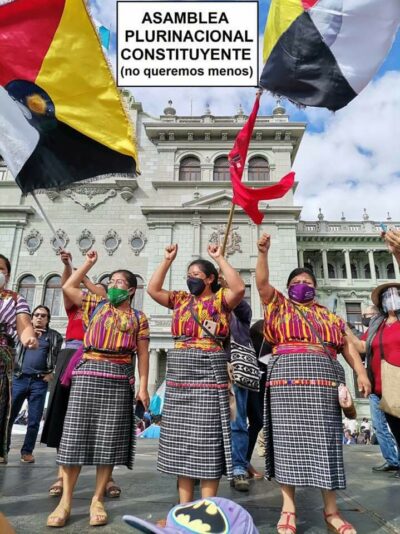
The country was still reeling from the impact of hurricanes Eta and Iota when a new crisis hit Guatemala last week, this one the product of a history of accumulating pressure in the country. The political crisis revealed public outrage of broad sectors at government corruption and impunity, particularly aimed at the Guatemalan Congress.
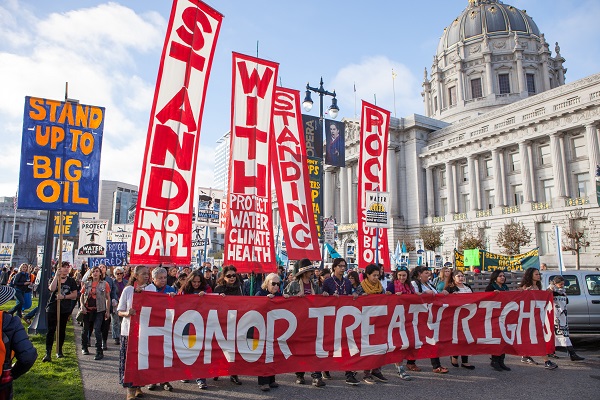
The final rulings of the Supreme Court calendar year favored indigenous causes diametrically opposed to those of incumbent candidate Donald Trump, reaffirming treaty rights and proving the power of recent grassroots mobilizations.
To praise a tyrant is to insult a people. López Obrador’s proposed visit to Washington is an insult to the American people, and especially to the 37 million Mexican migrants who live in the United States.
Ciudad Juarez has a long history of crises–foreign invasions, revolutions, economic recessions tied to the United States, the 9-11 border constriction and transnational gangland […]
After six days of fighting for his life in an intensive care unit in a Amazonas state hospital, a 15-year-old Yanomami teenage boy died in April 9 from complications caused by the coronavirus. The boy’s death sounded the alarm for Brazil’s Indigenous peoples who now face the fear of the virus alongside the stress of increasing criminal activities and government policies.
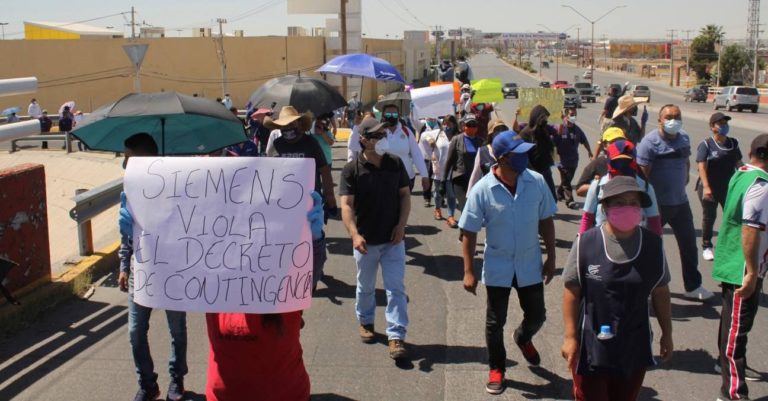
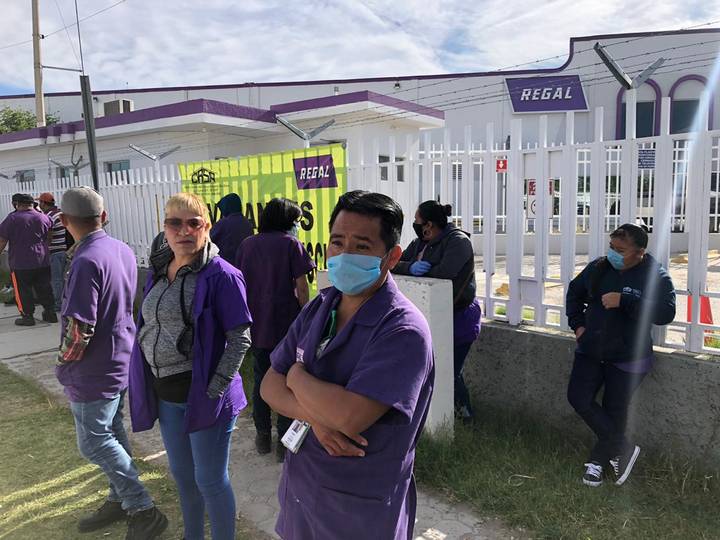
As the COVID-19 coronavirus began walloping Mexico, wildcat strikes by assembly plant workers concerned about their health and their futures rippled across the country during March and April.
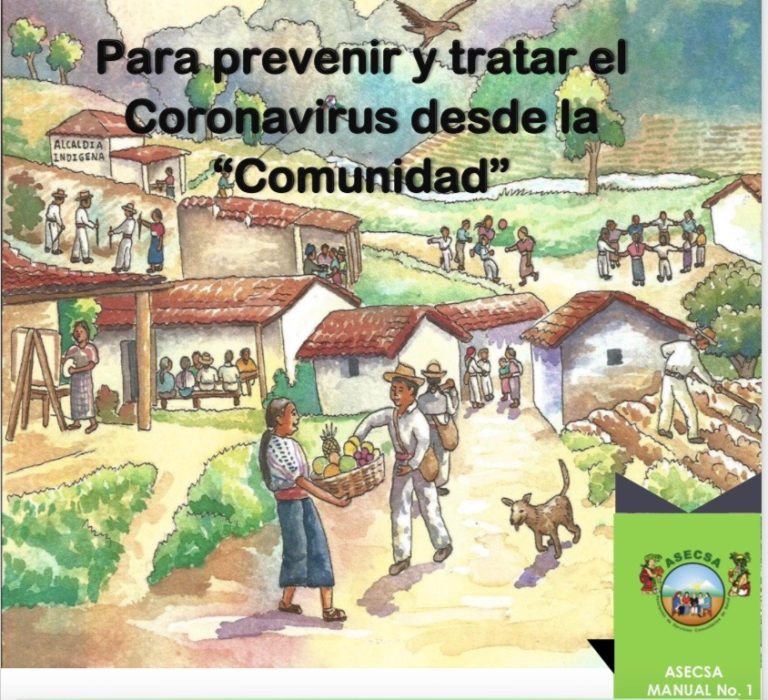
With the arrival of the coronavirus pandemic in Latin America, indigenous peoples and communities face the challenges that this disease brings. Faced with government neglect, the absence of social investment in their regions and the lack of access to regional or national hospitals, indigenous people have a serious disadvantage, but our own ancestral knowledge provides forms of protection.