Reflections on a Woman Factory Worker’s Historic Run for Juarez Mayor
April 14, 2016
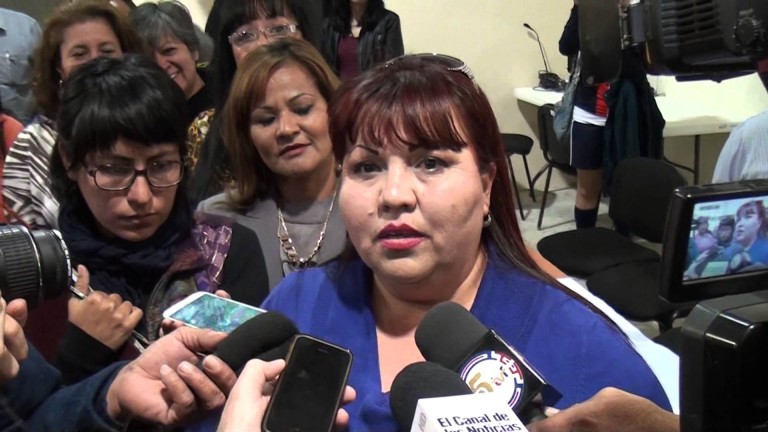
Antonia “Toñita” Hinojos Hernandez’s name won’t be appearing on the June ballot for mayor of the northern Mexican border city of Ciudad Juarez. A […]

Antonia “Toñita” Hinojos Hernandez’s name won’t be appearing on the June ballot for mayor of the northern Mexican border city of Ciudad Juarez. A […]
Macri took office on December 10, 2015 and very quickly went to work on his version of “change.” He took a number of bold steps during his first 100 days in power, steps that in clearly differentiate his administration from those of the last 12 years.
The favela is a complex world where poverty coexists with police and drug-trafficking violence. At first glance it would seem to be the most difficult place to build alternatives from the bottom up and from the Left. Nevertheless, hundreds of activists have chosen favelas as the place to create something new.
Berta Cáceres united sectors and issues, across borders. And by bringing paths together, she was building a broad road to freedom. That is the road she has left to her children, and to the many others who will follow in her footsteps.
The protest in El Alto, Bolivia that left six dead, in which MAS militants attacked city hall using the excuse of a student-parent protest, warrants reflection on the cooptation of social movements by the state.
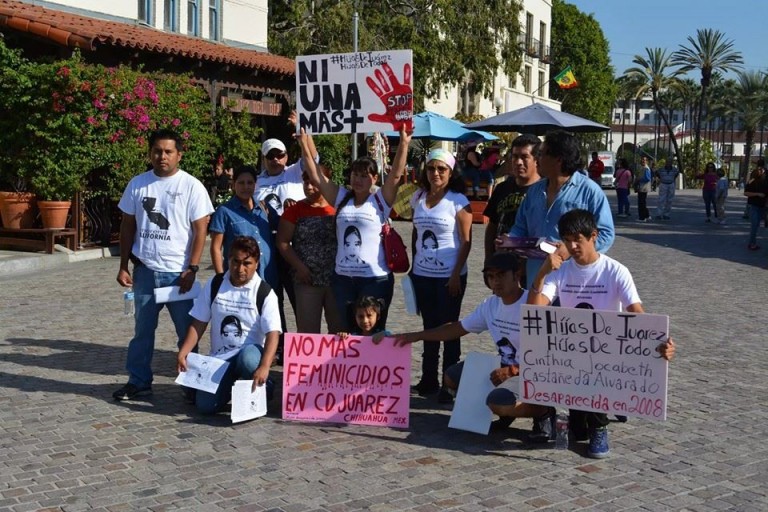
As human rights activists living in Los Angeles, Nansi Cisneros and Karla Castañeda are demanding the Mexican government help them find their missing loved ones.
By the end of the pope’s visit, activists wondered whether their organizing efforts and messages to the pope were enough to inspire long-lasting justice on the border.
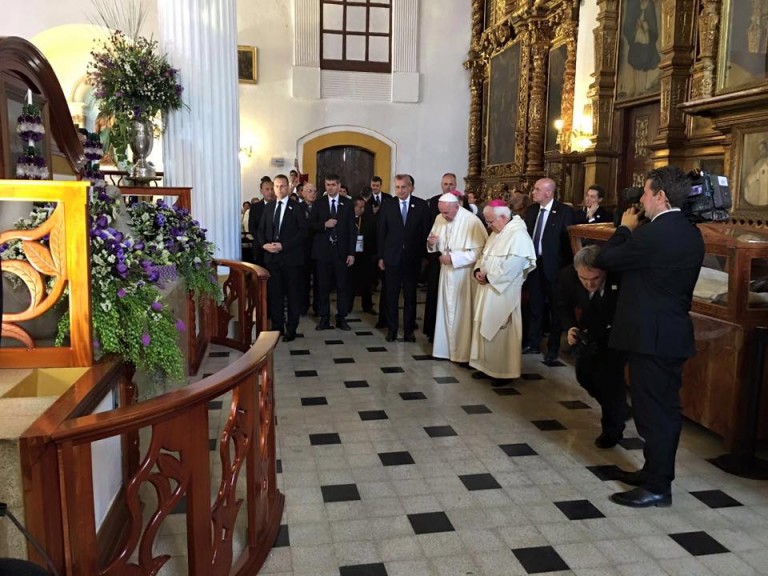
In another gesture that showed that this Pope is not the traditional Vatican company man, the Argentine pope visited the grave of Don Samuel Ruiz, the Bishop of San Cristobal de las Casas, who took up the indigenous cause for justice as his own and as an obligation of the church. Who was Samuel Ruiz?
The election results in Venezuela and Argentina, the Brazilian crisis, and the erosion of the “citizens’ revolution” in Ecuador are part of a change in political climate that puts the transformative processes underway on the defensive.
What is extraordinary is not the crime. The crime of disappearance is part of the structural violence that has become daily life in Mexico. What is extraordinary is the families’ fight for their missing loved ones. These men and women are an example of courage and good citizenship for the whole country.